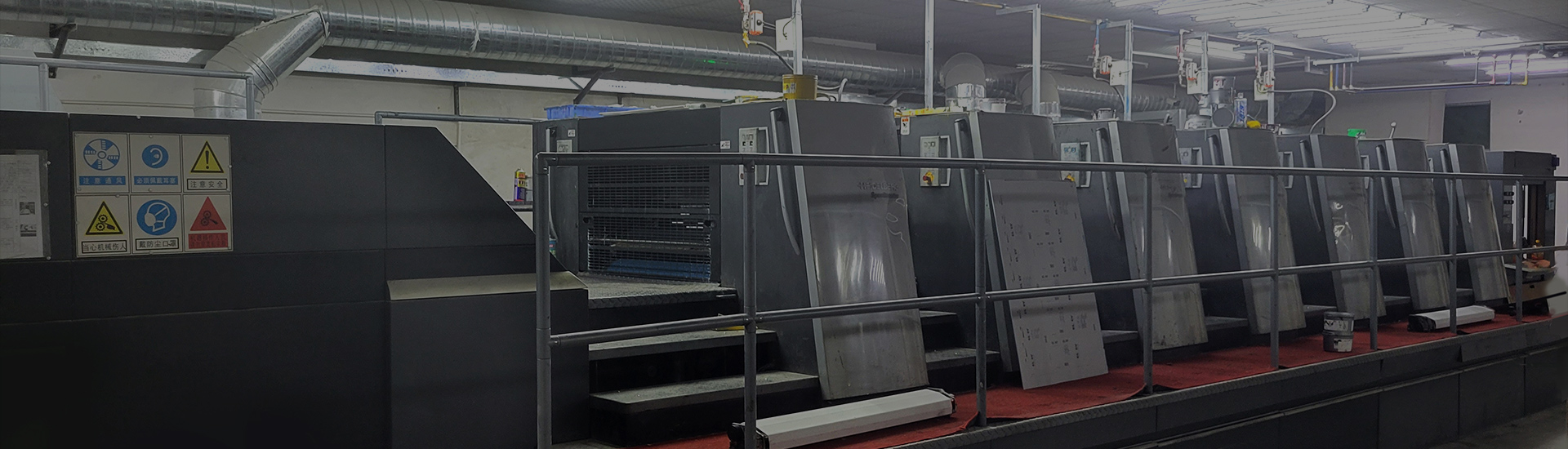
Bible printing


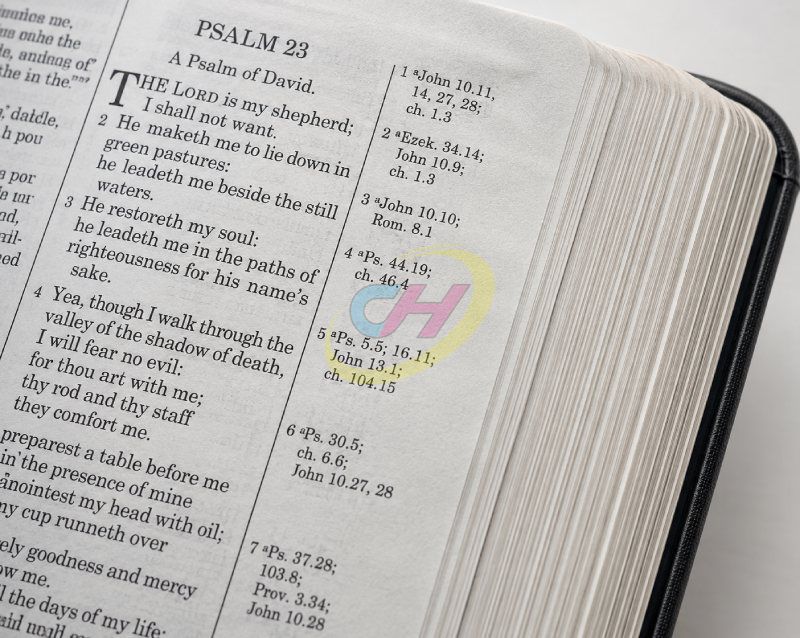
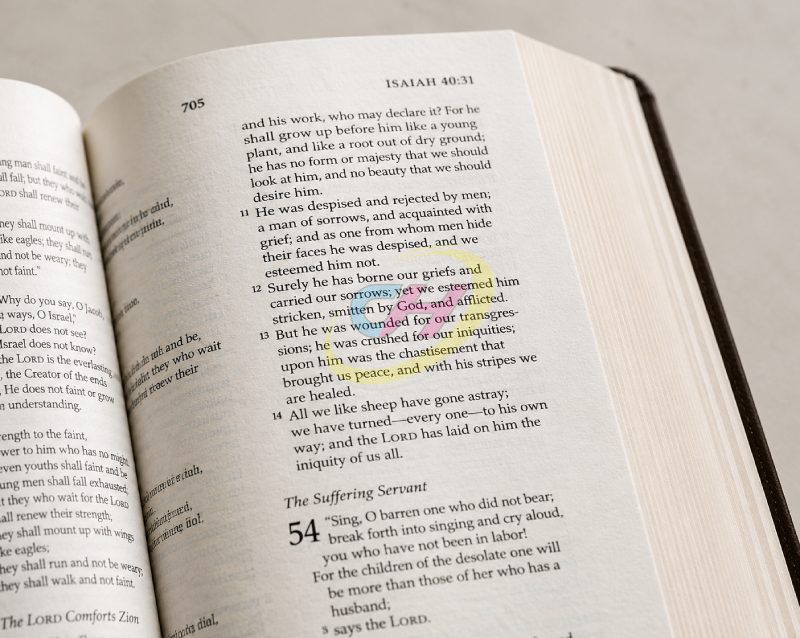
Bible printing needs strong control over text clarity, page opacity, binding strength, and cover durability. A good Bible should be easy to read, comfortable to hold, and strong enough for long-term use. Thin inner paper can help reduce book thickness, while clear printing keeps small text readable. The cover structure should protect the pages and match the final style of the Bible, whether it is made for study, worship, gifting, or publishing projects.
Bible finishing can improve the cover appearance and make important details stand out.
Gloss Lamination Shiny and reflective, ideal for vibrant colors and photo-heavy book covers. |
Varnishing Protective glossy coating that enhances specific design elements. |
Matte Lamination Smooth, non-reflective finish for a clean and professional appearance. |
Soft Touch Lamination Velvet-like matte finish with a soft, premium feel. |
Foil Stamping Metallic foil finishes available in gold, silver, rose gold, and more. |
Spot UV Gloss coating applied to selected areas for contrast and visual impact. |
Embossing Raised surface details that add texture and elegance. |
Debossing Recessed impressions for a refined and tactile effect. |
Gilded Edges Metallic finishes applied to page edges for a luxury appearance. |
Painted Edges Custom colors, patterns, or artwork printed on book edges. |
Leather Cover Durable synthetic leather for a classic premium look. |
Cloth Cover Linen or cotton fabric covers for elegant hardcover books |
Bible printing usually needs paper that is thin, light, and easy to read across a large number of pages. The paper should help control the final book thickness while keeping the text clear on both sides of the page.
Thin Bible paper is often used for text-heavy Bible editions because it keeps the book lighter and easier to carry. Common options are around 30gsm to 50gsm, depending on page count and opacity requirements. This paper works well for black-and-white Bible text, reference pages, and standard reading editions.
Uncoated paper gives the page a soft, non-glossy surface for comfortable long-time reading. Common options can range from 70gsm to 100gsm when the project needs a stronger page feel. White or cream paper tones can be selected based on the reading style and final book design.
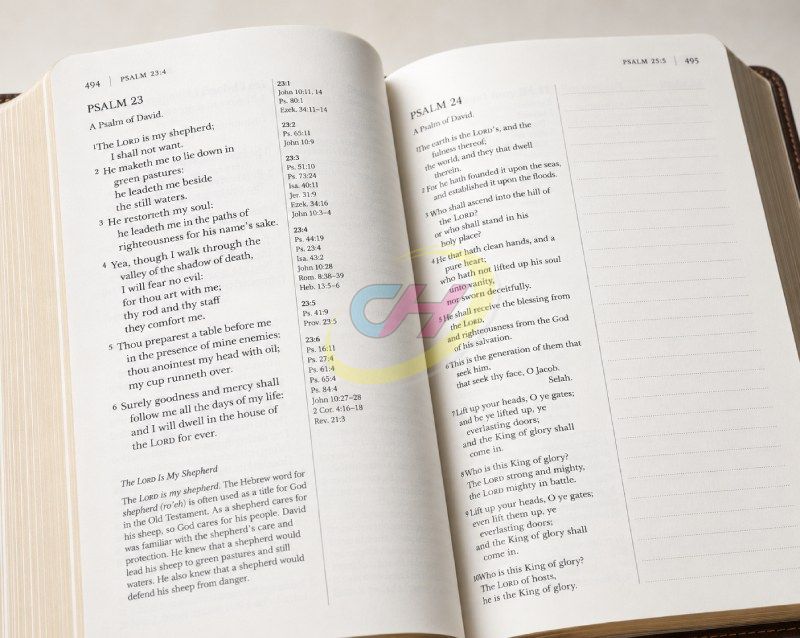
Study Bibles and journal Bibles often need stronger paper because the page layout may include notes, references, or writing space. In these cases, 80gsm to 120gsm uncoated paper can provide a better balance between readability and page durability.
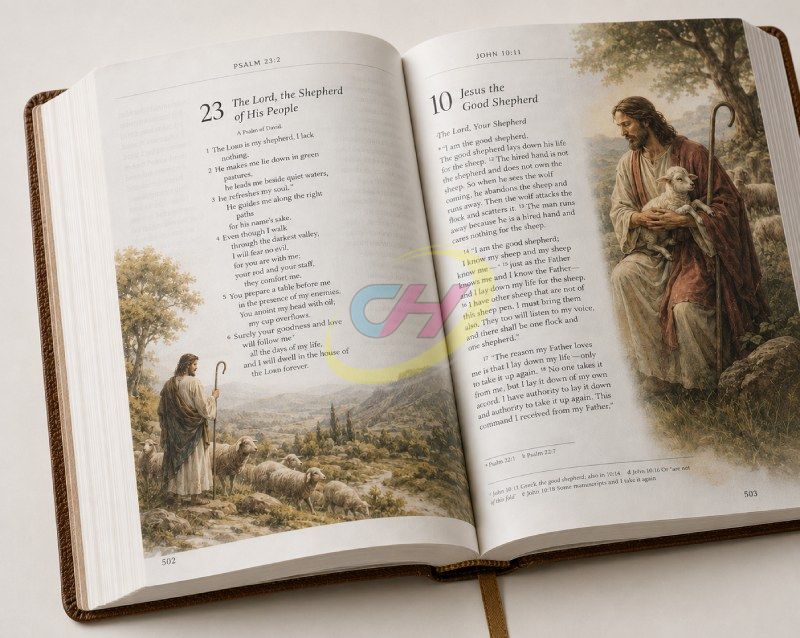
When a Bible includes color images, maps, or children’s content, coated art paper can be used for better image performance. Common options include 105gsm to 157gsm gloss or matte art paper, depending on the color effect and page structure needed.
Thin Bible Paper |
Uncoated Bible Paper |
Paper for Study and Journal Bibles |
Paper for Illustrated Bible Editions |
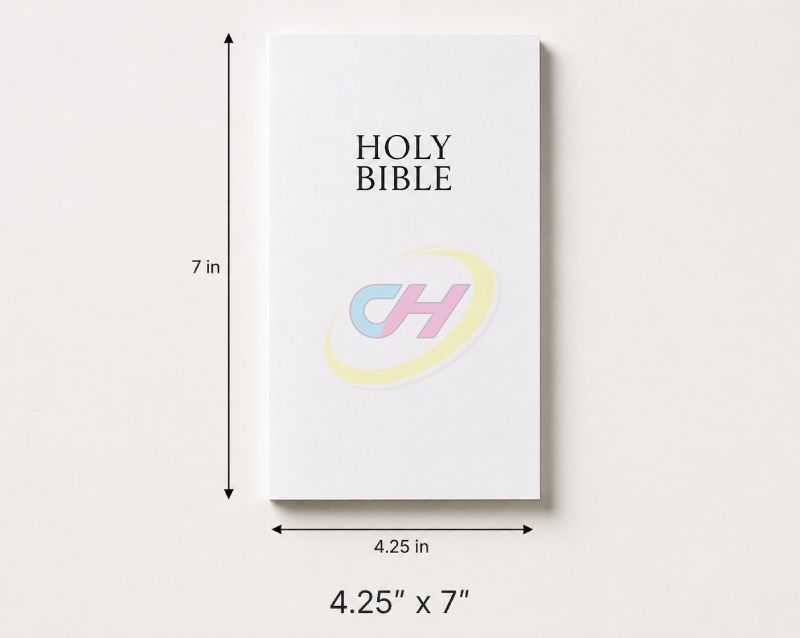
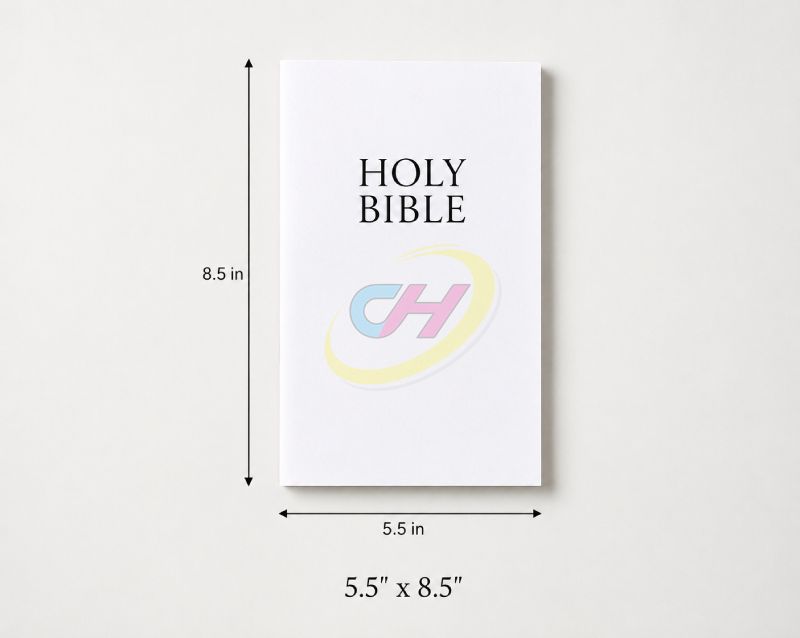
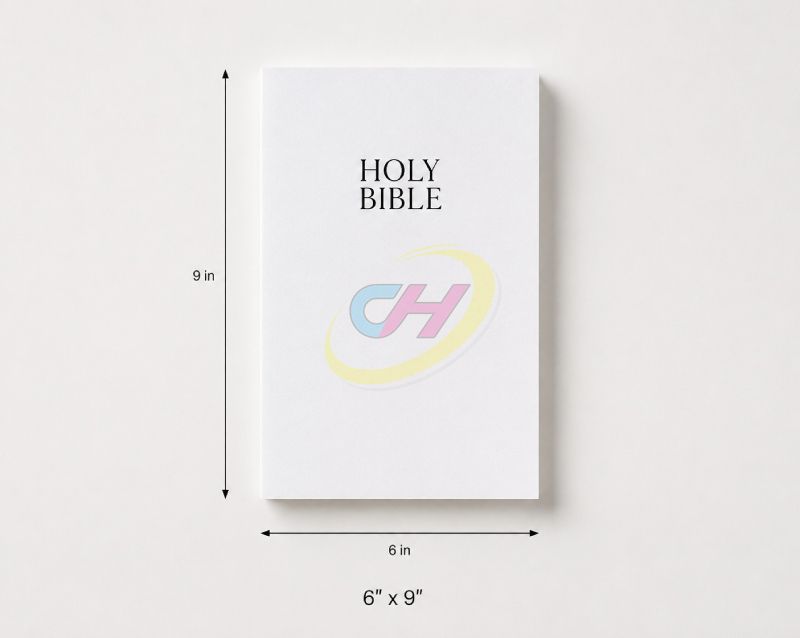
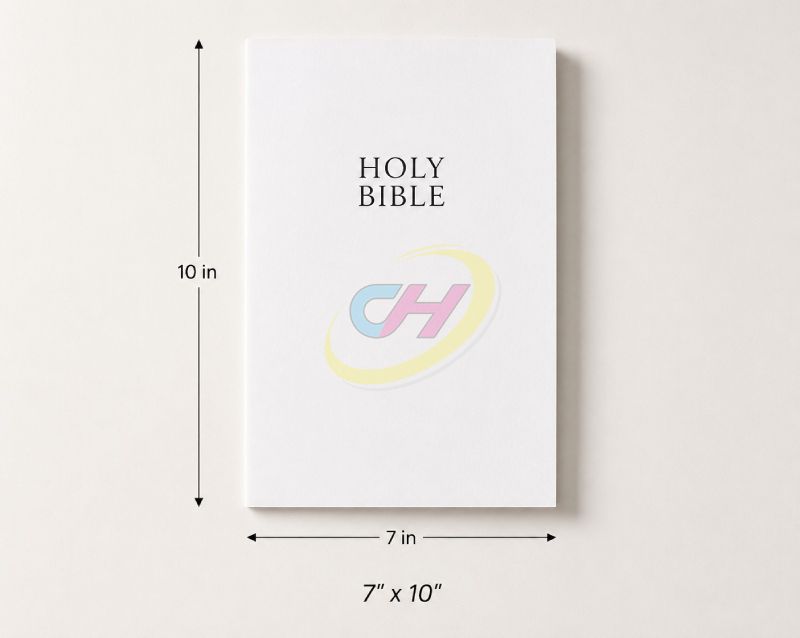
Bible size should match the reading purpose and page layout. Smaller formats are easier to carry. Standard sizes give a comfortable reading area. Larger formats work better when the Bible includes study notes or large-print text.
Common reference sizes include:
4.25″ × 7″ A compact size for portable Bible editions. |
5.5″ × 8.5″ A practical size for regular reading Bibles. |
6″ × 9″ A common format for study Bibles and thicker editions. |
7″ × 10″ A larger size for easier reading and more page space. |
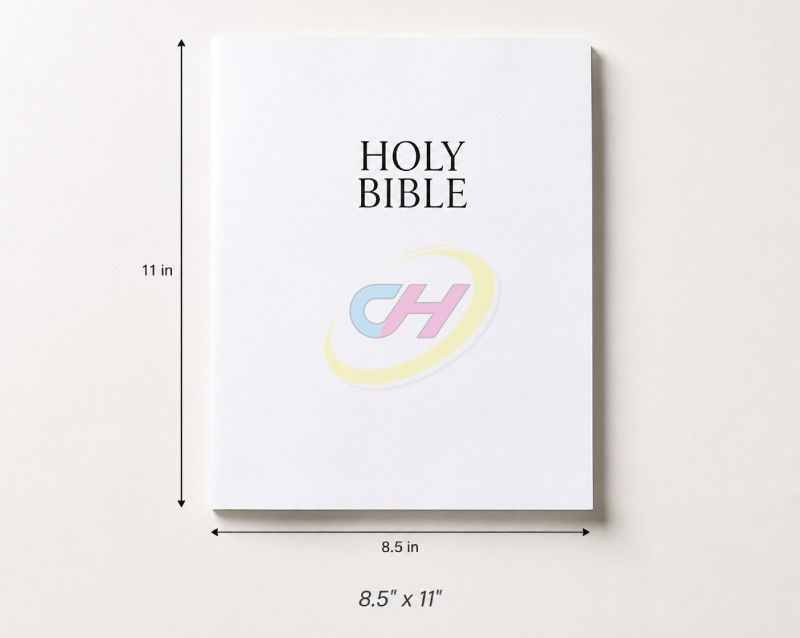
8.5″ × 11″ A large format for study layouts, teaching materials, or family Bible projects. |
Bible binding affects reading comfort, page strength, and long-term durability. The right structure should match the page count, cover material, and final Bible style.
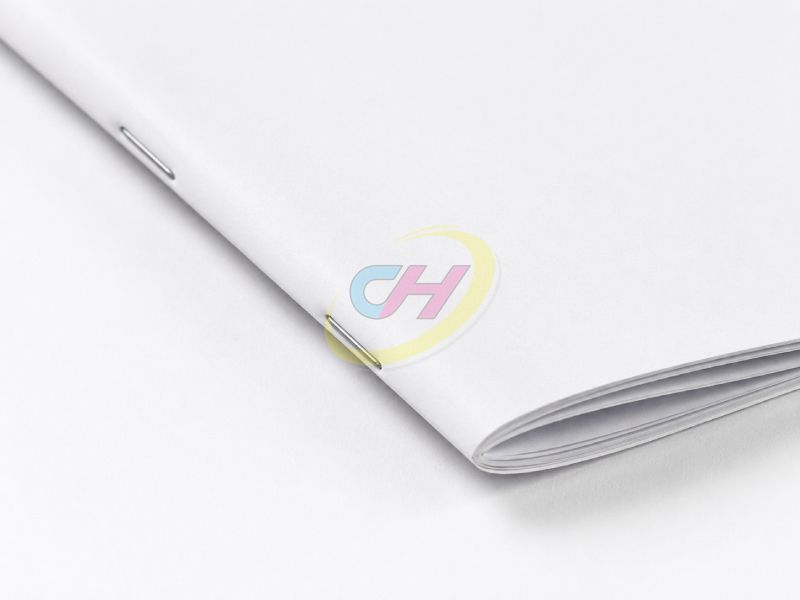
Pages are sewn into signatures before being glued into the cover, creating a stronger book block for repeated reading and long-term use.
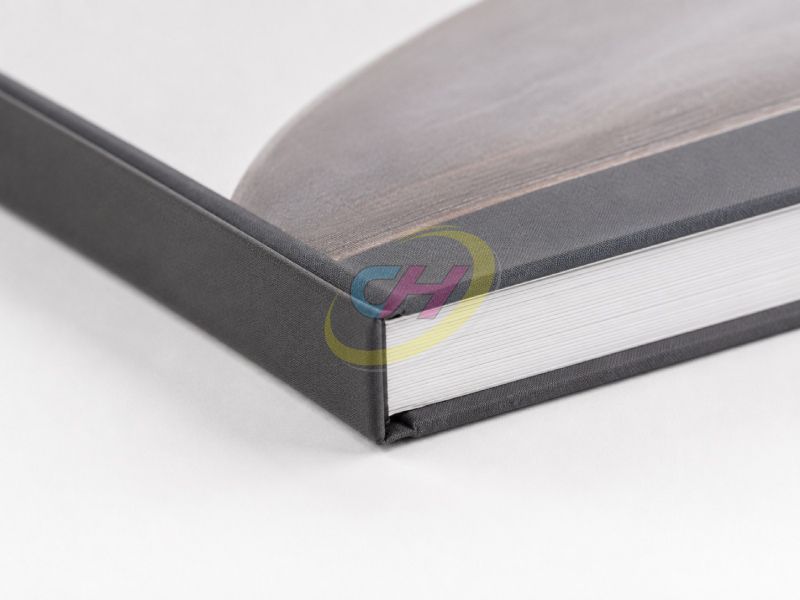
A rigid cover board adds better outside protection and gives the Bible a more formal finished structure.
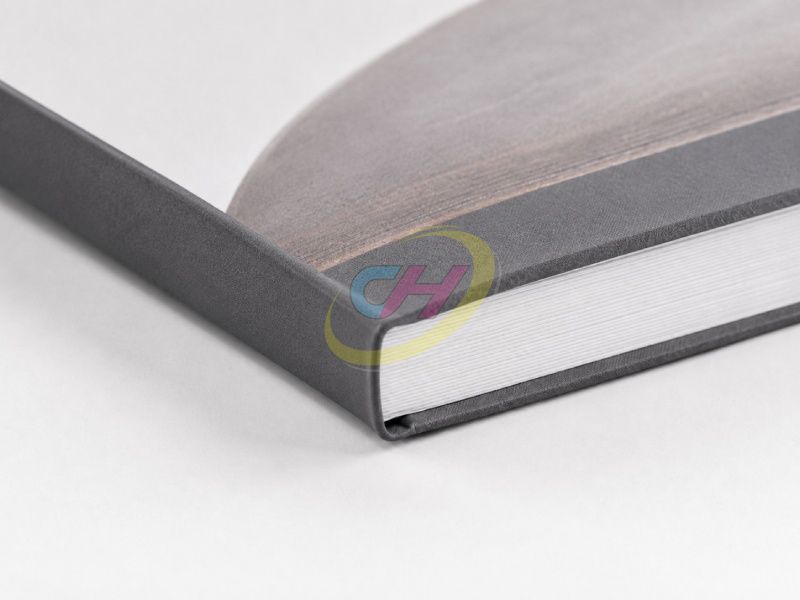
A flexible cover makes the Bible easier to hold and carry, while still keeping more strength than a standard softcover.
Sewn Perfect Binding |
Hardcover Binding |
Flexibound Binding |
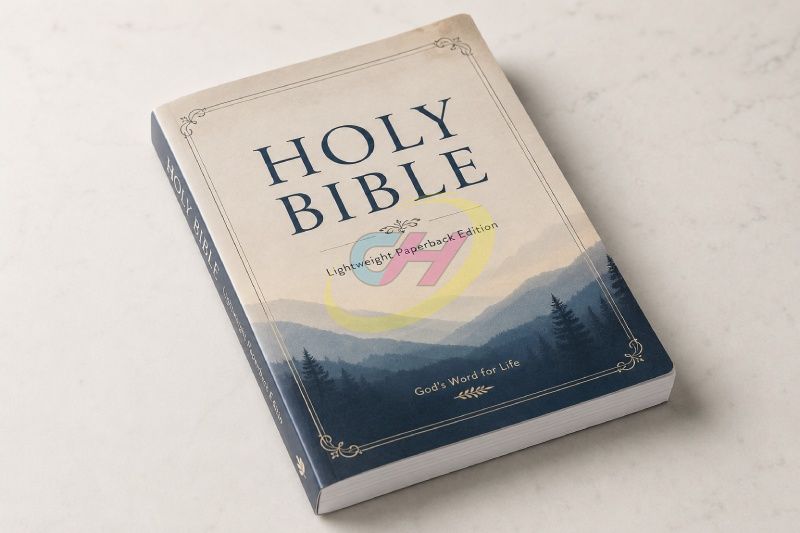
Paperback Bibles are suitable when the project needs a lighter book structure and easier bulk distribution. Thin Bible paper can help keep high-page-count books from becoming too thick, while a coated paper cover gives the outside better support. For regular reading and handling, sewn perfect binding can make the book block more stable. Cover lamination can also be added to reduce surface wear and keep the finished Bible cleaner during use.
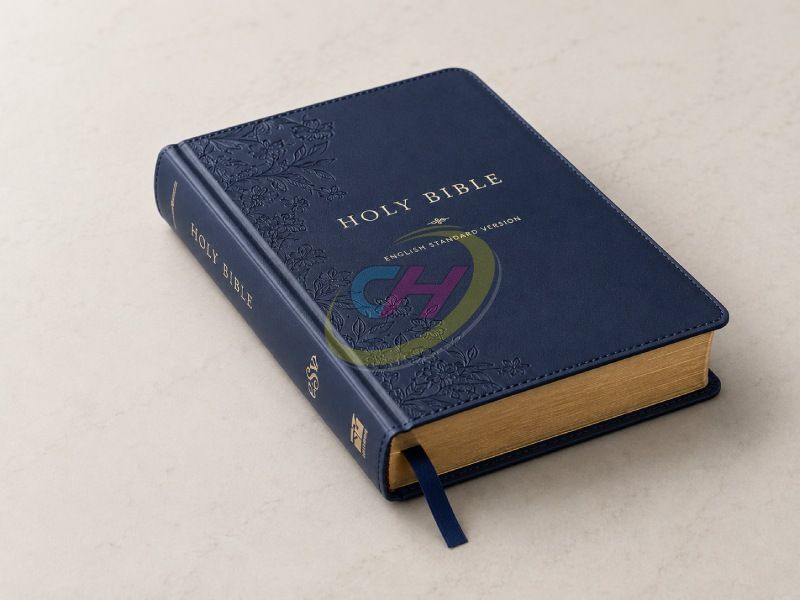
Hardcover Bibles are made for projects that need stronger protection and a more formal presentation. The rigid cover helps protect the thin inner pages and gives the book a longer-lasting structure. Printed paper, cloth, or faux leather can be selected for different cover styles. If the design needs a more classic look, foil title details, pressed cover texture, or metallic page edges can be added to strengthen the final appearance.
Our standard MOQ is usually 500 pcs. A 300 pcs trial order may be possible depending on the Bible structure and production details.
The cost depends on book size and total page count. Cover style and finishing requirements will also affect the final quotation.
Sample production usually takes about 3–7 working days after file confirmation. Bulk production normally takes about 10–15 working days depending on the order details.
Yes. Large print Bible printing can be produced with a larger font size and a more comfortable page layout. The final page count may increase, so the book thickness should be checked before production.
Yes. We can print different language editions based on your supplied print-ready files. The page order and text layout should be carefully checked before printing.
Yes. Please provide the final Bible content, cover artwork, and any required copyright permission for the text version you want to print.
Clear fonts, suitable line spacing, and stable ink control are important for Bible printing. We can help check the file before production to reduce readability problems.
Yes. A physical sample can be arranged before mass production so you can check the text clarity, paper feel, cover effect, and overall book quality.