Blog
Mar. 24, 2026
When brands or business customers work with different companies for packaging and print, things slow down. Quality might shift between batches because one hand doesn’t know what the other is doing. Extra expenses creep in when processes aren’t lined up smoothly.
As supply chains become more complex, businesses are shifting toward working with a single partner who can handle both packaging structure and printing in one place. This approach not only improves efficiency but also ensures better consistency across all products. Companies looking for long-term stability in their supply chain often choose to work with an experienced custom packaging manufacturer that offers integrated solutions.
This guide walks through finding a single place for tailored packaging plus print services. Picking the best fit for your company comes down to what they can actually deliver. One shop might handle both needs smoothly. Another could fall short when details matter. Matching capability with expectations makes all the difference. The wrong pick adds stress instead of saving time. A reliable match keeps things moving without surprises.
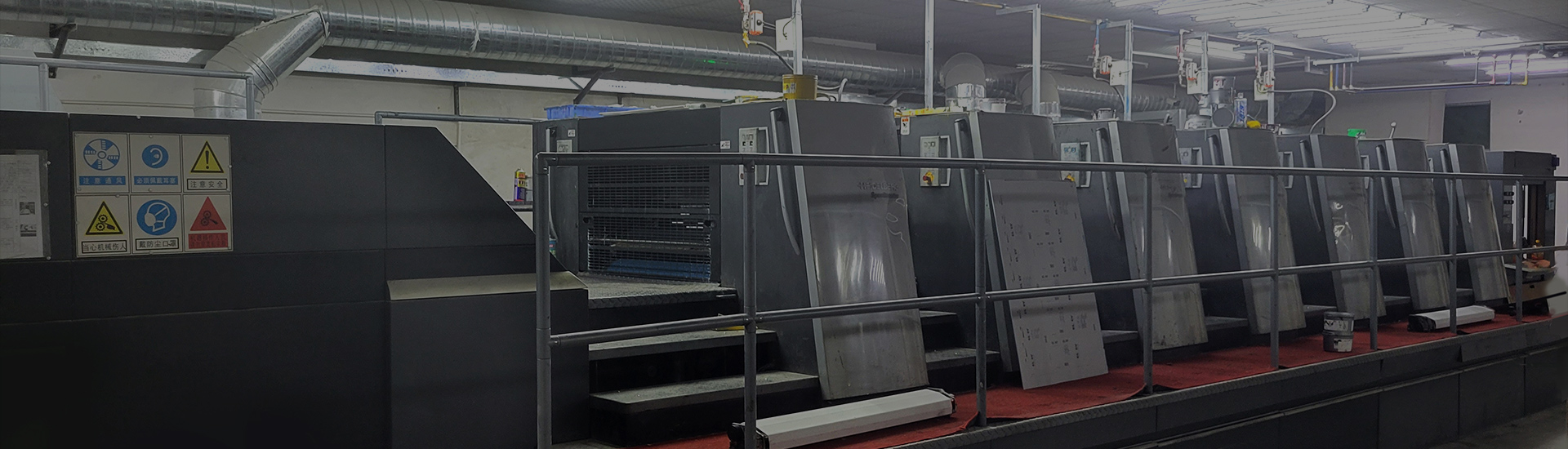
A single provider handling both print and package work simplifies how things run. Operations gain clarity when these services come from the same place.
Working with a single manufacturer helps reduce:
Production overlap
Shipping coordination costs
Communication inefficiencies
When production is handled in one place:
Colors remain consistent across batches
Proper alignment shows in materials along with their finishes
Errors caused by miscommunication are reduced
Integrated production means:
Shorter turnaround times
Fewer delays between processes
More predictable delivery schedules
When it comes to tailored solutions and room to grow, working straight with makers still works best. Materials, design choices, even how things get printed - businesses usually call the shots on every part.
Sturdy packaging tends to show up in luxury ranges, where how something looks shapes what people think it's worth. Because they last long and look polished, companies choose custom magnetic gift boxes for things like gadgets, beauty goods, yet also upscale merchandise.
When one company handles packaging along with print work, things get easier on the ordering side. For shops aiming for steady quality minus juggling separate suppliers, it cuts down hassle neatly.
One reason many stores pick custom folding carton boxes is how cheap they get at large orders. These packages bend easily to match different shapes, so brands across fields like snacks, skincare, makeup, bath items, cleaning tools go for them too. Their look shifts fast based on what a product needs - no fixed rules hold back creativity here.
What sits on the shelf does more than hold contents. A container's shape might quietly shift how someone feels about what's inside.
Picture this - something simple like how it looks can really shift attention. Take custom drawer gift boxes; they quietly elevate the moment you open them. Common? Yes, especially when it comes to jewelry, high-end accessories, or curated gifts meant to impress. These boxes aren’t just containers. They become part of what’s being shared.
Getting what you need online means seeing lots of sellers at once, which helps spot price differences along with what each one can actually do. Still, checking who is really behind the screen plus trying out a test piece matters just as much.
Out of nowhere, China stays central for made-to-order packaging because the factories there work well together.
Fully integrated supply chains
Advanced printing technologies
Competitive production costs
With this mix, companies can grow without losing control over how well things are made.
Reliable suppliers should provide:
FSC-certified materials
ISO production standards
Environmentally compliant processes
A capable manufacturer should support:
Custom dimensions
Structural design variations
Advanced printing finishes
When it comes to making packages, saying things plainly matters a lot. Those who supply materials need to share updates without confusion. Getting details right helps avoid mistakes down the line. Information flows better when everyone speaks clearly. Mistakes drop off when messages are straightforward. Anyone involved must know what’s expected at each step. Clarity keeps everything moving smoothly behind the scenes
Accurate timelines
Quick responses
Professional recommendations
Start by identifying:
Packaging type
Quantity
Budget range
Start by typing names into Google or similar sites to find possible sellers. Jump over to trade listings where companies show their work. Check out online hubs made just for that field. Move between spots online where buyers leave notes about who they like.
A close look at actual pieces reveals how solid they are, how precise the print work turned out, also what the stuff feels like up close. What you hold shows more than any screen ever could.
Assess suppliers based on:
Product quality
Pricing structure
Communication efficiency
Production kicks off after specs get locked in. When everyone talks straight, hiccups later drop way down. Chats about the full plan usually happen on a contact page where needs, dates, and details line up ahead of large-scale building.
Prioritizing price over quality
Moving past the step where samples are taken
Overlooking certifications
Miscommunication of specifications
Yes, many manufacturers now offer integrated solutions that cover both structure and printing.
Folding cartons, rigid boxes, and drawer boxes are among the most widely used options across industries.
It can be highly reliable when working with experienced and verified suppliers.
Fewer than three weeks pass once the prototype gets cleared. Production wraps by day twenty-five at latest.
Material quality, printing accuracy, certifications, and communication responsiveness are all important factors.
Together, getting tailored packaging and print work done is now common among companies wanting smoother operations plus reliable results.
One way firms simplify operations? Team up with a provider who handles everything under one roof. This kind of support sharpens how a brand shows up in the market. A solid collaborator brings more than boxes - think steady output, room to grow. Consistency in making products meets future needs without extra hassle.


