Booklet Printing


Custom booklets are practical printed materials for product information, brand presentation, instructions, events and promotional use. A good booklet should be easy to read. It should also feel neat in hand and stay stable during page turning. The paper should match the amount of text and images in the design. The binding should match the page count and how the booklet will be used. Cover finishing can also be added when the booklet needs a stronger visual effect or better surface protection.
Booklet finishing helps improve cover protection and visual presentation. The right finish can make the cover feel stronger and make the printed design look cleaner and more professional.
Gloss Lamination Shiny and reflective, ideal for vibrant colors and photo-heavy book covers. |
Varnishing Protective glossy coating that enhances specific design elements. |
Matte Lamination Smooth, non-reflective finish for a clean and professional appearance. |
Soft Touch Lamination Velvet-like matte finish with a soft, premium feel. |
Foil Stamping Metallic foil finishes available in gold, silver, rose gold, and more. |
Spot UV Gloss coating applied to selected areas for contrast and visual impact. |
Embossing Raised surface details that add texture and elegance. |
Debossing Recessed impressions for a refined and tactile effect. |
Gilded Edges Metallic finishes applied to page edges for a luxury appearance. |
Painted Edges Custom colors, patterns, or artwork printed on book edges. |
Leather Cover Durable synthetic leather for a classic premium look. |
Cloth Cover Linen or cotton fabric covers for elegant hardcover books |
Die Cut Custom-shaped cutouts created with precision metal dies. |
Perforated Line Easy-tear perforation lines for removable sections. |
Tear Strip Built-in opening strip for convenient and clean access. |
Choosing the right paper is important for print quality, page durability, and the overall reading experience:
Gloss Art Paper: Smooth and reflective surface that makes colors look brighter and images sharper.
Matte Art Paper: Soft non-reflective finish with good readability and a clean printed look.
Uncoated Paper: Natural paper texture with a comfortable writing feel and a simple printed appearance.
Gloss Art Paper |
Matte Art Paper |
Uncoated Paper |
Booklet binding should match the page count and the way the booklet will be used. The right binding keeps pages secure and makes the booklet easier to read or handle.
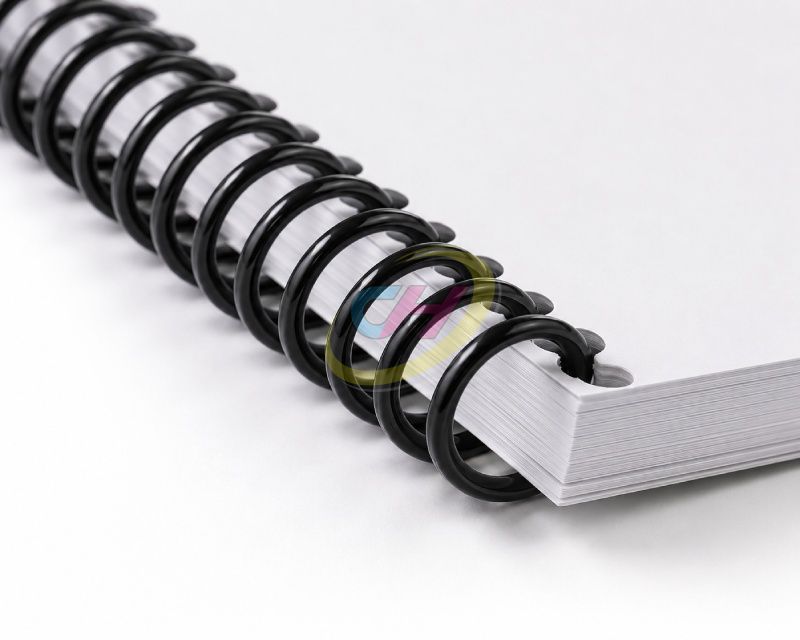
Plastic spiral binding, also called coil binding, uses a flexible plastic coil inserted through punched holes along the book edge. It is durable, lightweight, and allows the book to lay flat or fold back 360 degrees. This option is commonly used for workbooks, notebooks, manuals, planners, cookbooks, and training materials.
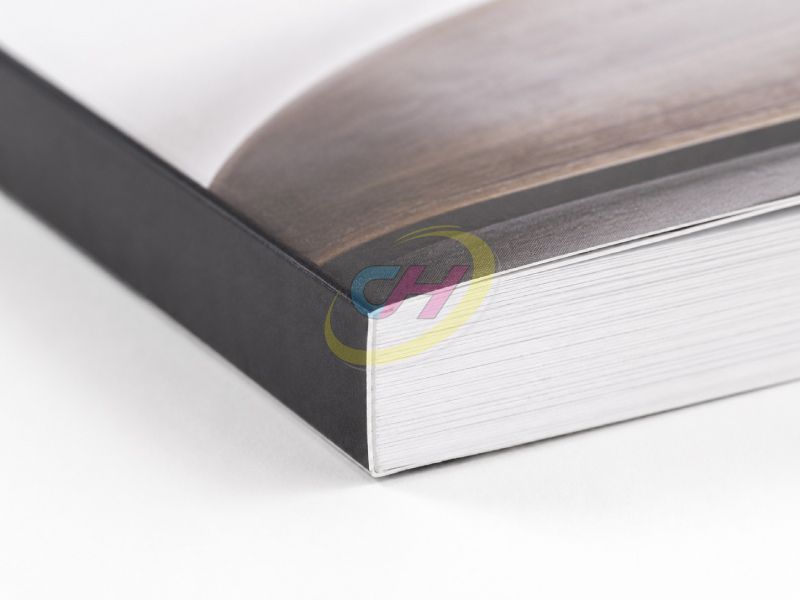
Perfect binding uses glue to hold the pages together and creates a flat spine. It gives thicker booklets a stronger and more complete book-like structure.
Spiral binding uses a coil through punched holes along the edge. It allows the booklet to open flat and makes page turning easier during use.
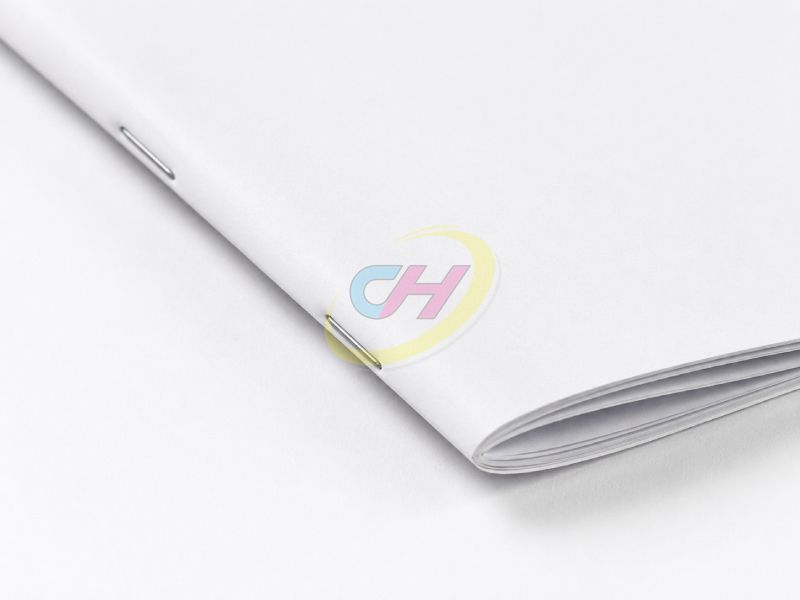
Saddle Stitch Binding |
Perfect Binding |
Spiral Binding |
Paper weight affects page feel, print quality, durability, and the overall reading experience of a booklet. Covers usually use heavier paper for better support, while inner pages can be selected based on text readability, image performance, and budget.
| Paper / Material Type | Common GSM / Material | Suitable For |
|---|---|---|
| Gloss Cover Paper | 200gsm / 250gsm / 300gsm / 350gsm | Bright booklet covers |
| Matte Cover Paper | 200gsm / 250gsm / 300gsm / 350gsm | Clean professional covers |
| Gloss Art Text Paper | 80gsm / 105gsm / 128gsm / 157gsm / 200gsm | Image-heavy booklet pages |
| Matte Art Text Paper | 80gsm / 105gsm / 128gsm / 157gsm / 200gsm | Readable booklet pages |
| Uncoated Text Paper | 80gsm / 100gsm / 120gsm / 140gsm | Natural writing-friendly pages |
| Offset Paper | 80gsm / 100gsm / 120gsm | Cost-effective text pages |
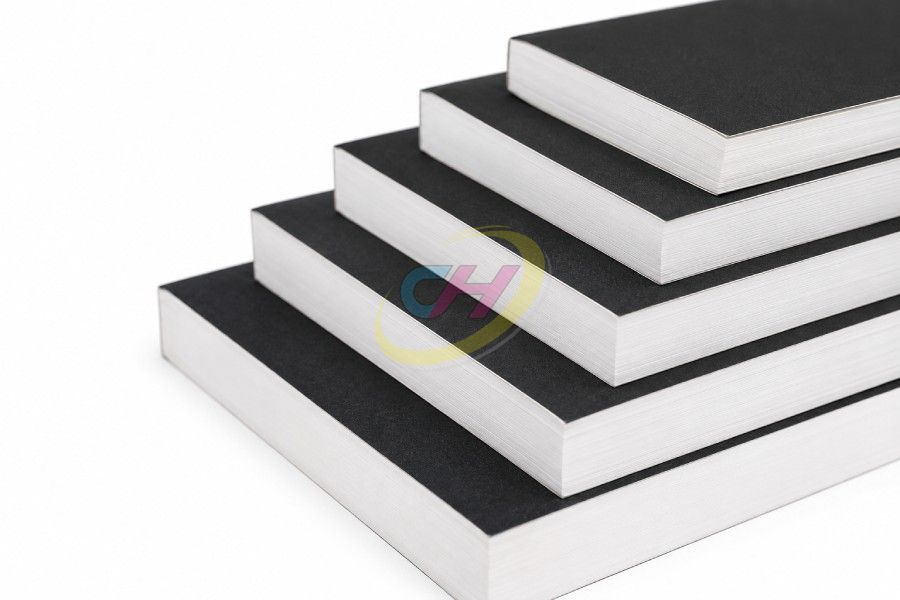
Booklets can be made in standard or custom sizes depending on the content layout and reading purpose. Smaller formats are easier to carry and work well for simple information pages. A5 is one of the most common booklet sizes because it balances portability with enough space for text and images. A4 is better when the design needs a larger display area. Half-letter, 6″ × 9″, and 8.5″ × 11″ formats can also be selected based on your artwork, page count, binding style, and production requirements.
Our standard MOQ is usually 500 pcs. A 300 pcs trial order may be possible depending on the booklet size and production details.
The cost depends on the booklet size. Page count also affects the price. Paper choice, binding method and cover finish will be confirmed before we prepare a quotation.
Sample production usually takes about 3–7 working days after file confirmation. Bulk production normally takes about 10–15 working days depending on the order details.
Common booklet sizes include A4, A5 and 8.5" × 11". Custom sizes can also be made based on your artwork and final use.
Booklet page count depends on the content and binding method. Thin booklets often use saddle stitch binding, while thicker booklets may need perfect binding.
You can send your print-ready file by email or online file transfer. PDF format is preferred because it keeps the layout more stable for printing.
Yes. We can check the bleed area, image resolution, page order and binding position before production to help reduce printing problems.
Yes. A digital proof or physical sample can be arranged before mass production so you can check the color effect, paper, binding and overall booklet quality.