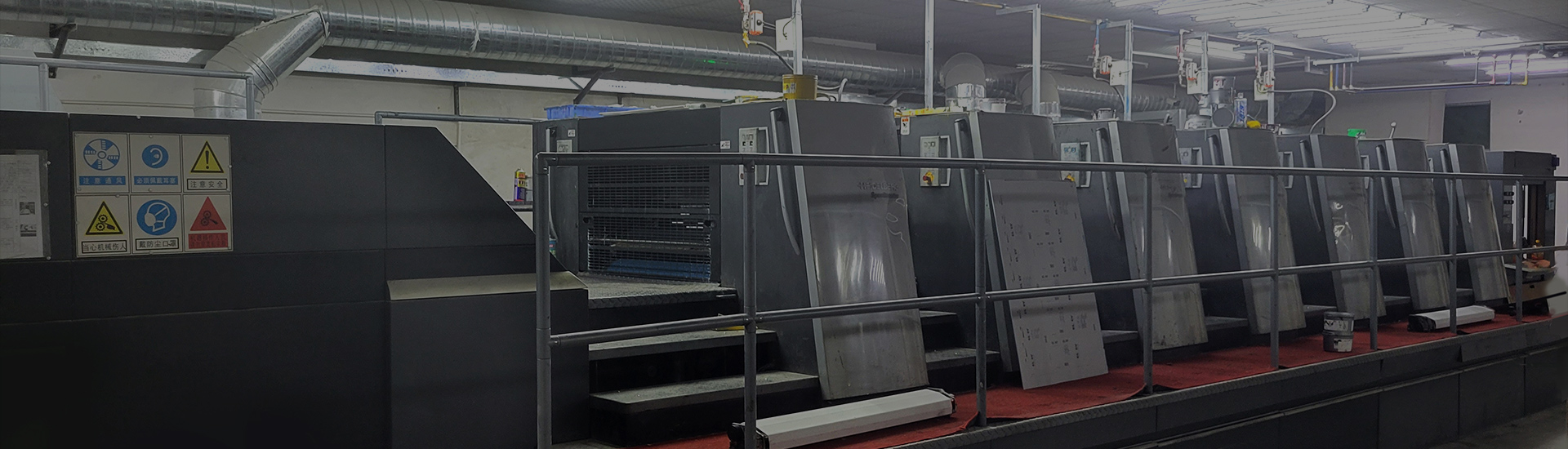
Calendar Printing for Wall, Desk and Branded Editions
Caihong Paper Products provides bulk calendar printing and OEM/ODM production for publishers, stationery brands, corporate teams, promotional suppliers and retailers. Wall calendars, desk calendars, three-month formats and tear-off editions are produced from customer-supplied artwork, with the paper, stand, hanging method and packaging confirmed for each order.
Calendar Manufacturer Since 2002
A calendar must remain usable for its entire dated period. Date accuracy, page turning, stable display and the way notes are written or images are shown all affect the final construction. These details are checked together in a physical sample.
Experience in printing, binding, finishing, assembly, quality checks, packing and export order coordination.
Standard MOQ is normally 500 copies; trial orders of 300 copies are acceptable.
Typical sampling period for standard calendar structures after files and materials are confirmed; complex formats may take longer.
Calendar Formats for Different Display Needs
Select the format according to viewing distance, available display space, date information and distribution method. The examples below can be developed as individual editions or coordinated ranges.
Wall Calendars
Large monthly images and legible date grids can be paired with a hanging hole or wire hanger for wall display.
Desk Calendars
A compact page block and folding stand keep the date visible on desks, counters and reception areas.
Three-Month Calendars
Previous, current and following months can appear together for office scheduling and longer-range planning.
Tear-Off Calendars
Individual dated sheets can be removed from a pad; sheet count, adhesive edge and backing support are confirmed in the sample.
Calendar Printing Specifications
The following options are starting points. The final paper, dimensions and structure depend on the artwork, number of dated sheets, display position and intended packaging.
Finished Size
Portrait, landscape and compact desk sizes can be produced to an approved trim and display orientation.
Dated Pages
Monthly, weekly or daily sequences, additional covers and note pages follow the approved page file and imposition plan.
Calendar Paper
Coated art paper commonly ranges from 128 to 200 gsm for image-led pages; 80 to 120 gsm uncoated stock can suit writable layouts.
Stands and Hangers
Wire-O loops, hanging holes, hooks, folding stands and backing boards are specified according to the chosen format.
Choose Paper for Display and Writing
Calendar paper should be chosen for the way it will be used. An image-led wall calendar and a writable desk calendar may need different surfaces even when they share the same artwork.
Gloss Art Paper
A reflective coated sheet supports strong contrast and vivid photographs or product images.
Matte Art Paper
A lower-glare coated surface makes detailed images and smaller date text easier to view under varied lighting.
Uncoated Writing Paper
An uncoated sheet allows notes to be written in the date grid; the intended pen should be tested on the selected stock.
Backing and Stand Board
Desk stands and wall backings need enough stiffness to support the chosen page size and paper weight throughout use.
Calendar Construction and Binding Options
The binding and support structure determine how pages turn, hang or stand. Confirm these components before fixing the safe area at the top edge and the size of the date grid.
Wire-O Wall Calendars
Wire-O binding turns monthly sheets at the top; the hanger or punched opening is checked for level display.
Standing Desk Calendars
A folding board base holds the calendar upright. Stand angle, crease position and page clearance are approved in a sample.
Three-Month Displays
Several month panels can be assembled for a wider date view, with the mounting and page-change method confirmed in advance.
Tear-Off and Booklet Formats
Glued pads suit tear-off pages, while saddle stitching can suit thin booklet-style calendars. Each requires different page preparation.
Prepare Dates and Regional Versions
Dated products require a final check of every month before files are released for printing. The approved artwork should define the intended year, market and display conventions for each version.
Year and Date Sequence
Check month lengths, leap-year dates and the sequence of all dated pages in the supplied file.
Weekday Order and Language
Sunday-first or Monday-first grids, month names, date formats and translated labels should be confirmed for the destination market.
Holidays and Notes
Local holidays, promotional dates, company events and writing areas can be included in the approved page artwork.
Multiple Market Editions
Shared imagery can be used across regions while date grids, language, cover details and quantities are managed as separate versions.
Finishing, Display Components and Packaging
Finishes and accessories should suit the calendar's display method and distribution channel. Components are checked on a complete sample before bulk assembly.
Surface Finishing
Matte or gloss lamination can protect applicable covers and change how colors appear under light.
Decorative Cover Details
Foil stamping or spot UV can highlight approved titles and brand marks when the material supports a clean finish.
Display Hardware
Wire color, hanger shape, punched position and desk-stand folds are set against the final page size.
Individual Packing
Sleeves, paper bands, printed boxes, protective bags and labeled cartons can be coordinated for retail or bulk delivery.
OEM and ODM Calendar Production
Calendar orders can follow an existing specification or a confirmed combination of paper, binding, display parts and packaging. Printing and assembly follow customer-supplied files and the approved physical sample.
Private-Label Calendars
Customer logos, product images, contact details, barcodes and branded covers can be printed from approved artwork.
Coordinated Format Ranges
Wall and desk editions can share imagery while using different sizes, date grids and display components.
Physical Sample Approval
The sample confirms color, legibility, page order, wire movement, stand stability, hanging position and packed presentation.
Calendar Printing for B2B Customers
Bulk calendar printing supports annual publishing programs, branded stationery ranges, corporate distribution, retail collections and promotional campaigns.
Production Time for Bulk Calendars
The schedule depends on the number of dated versions, size, paper, display components, finishing, packaging and order quantity. Seasonal delivery dates should be confirmed before sampling begins.
File Review
Trim, bleed, page sequence, image quality, date grids, finishing layers and hanging or stand areas are checked before proofing.
Physical Sample
Standard samples generally take 3–7 working days after complete files and materials are confirmed; special constructions may take longer.
Bulk Production
A common bulk production window is about 10–15 working days after sample approval, subject to the final structure and quantity.
Delivery Planning
Packing method, version labels, carton quantities and shipping destination are confirmed against the required arrival date.
Calendar Printing Order Process
Each calendar project follows an approval sequence so the dates, display components and finished appearance are settled before mass production.
Confirm Specifications
Set year, format, size, number of sheets, paper, binding, quantity and packaging.
Review Artwork
Check every dated page, cover, language version, brand element and finishing file.
Approve the Sample
Review color, trimming, page turning, hanging or standing stability and packed presentation.
Bulk Production
Print, finish, bind, assemble and inspect against the approved sample.
Pack and Ship
Separate versions, label cartons and arrange delivery to the confirmed destination.
File Preparation for Calendar Printing
Supply final cover and dated-page PDFs after the size and structure are confirmed. Provide separate files for distinct years, languages and regional editions.
Prepare photographs, illustrations and logos at suitable resolution for their final printed size.
Confirm the year, month lengths, weekday alignment, holidays and intentional blank pages in each final version.
Keep dates, small labels and QR codes away from trim, punched holes, wire binding and stand folds.
Extend full-bleed imagery beyond the trim and use the agreed print color settings.
Use the confirmed template for wire holes, hangers, backing boards, stand panels and fold lines.
Mark foil, spot UV, die cuts and packaging artwork on separate, clearly named production layers.
FAQ About Calendar Printing
Can wall and desk calendars share the same images?
Yes. Images can be shared, but each format needs its own approved crop, date grid, size and production file.
Can different regions use the same calendar format?
Yes. Prepare separate approved files for each language, holiday set and weekday order, with quantities identified by version.
Can a desk calendar include a writing area?
Yes. Leave suitable space in the layout and choose a writable paper surface that has been tested with the intended pen.
Can a calendar have 13 or more image sheets?
Yes. Additional cover, introduction or promotional sheets can be included if the binding capacity and finished construction are confirmed.
How are hanging parts checked before production?
The complete sample is hung or stood in its intended position to check hole alignment, wire movement, balance and page clearance.
What needs to be confirmed for a seasonal delivery?
Confirm the required arrival date, shipping destination, packaging and approved files early enough to allow for sampling and transit.
Start Your Calendar Printing Project
Send the intended year and market, calendar format, finished size, number of sheets, paper and display-component preferences, quantity per version, finishing, packaging and delivery destination. Include the cover and dated-page PDFs when available for an accurate quotation.


