Comic Book Printing


Comic book printing needs strong control over line detail and color performance. A good comic book should keep artwork sharp, make panels easy to read, and give each page a smooth turning feel. Paper should match the artwork style, especially when the book includes full-color pages or heavy ink coverage. Binding also matters because it affects how the book opens and how stable the pages feel during repeated reading.
Comic book finishing helps protect the cover and improve the final printed look. The right finish can make the cover stronger and make the artwork look more polished.
Foil Stamping Metallic foil finishes available in gold, silver, rose gold, and more. |
Embossing Raised surface details that add texture and elegance. |
Debossing Recessed impressions for a refined and tactile effect. |
Gilded Edges Metallic finishes applied to page edges for a luxury appearance. |
Book Slipcase Adds extra protection and gives the book a more complete, premium presentation. |
Holographic Creates a colorful reflective effect that changes under different lighting angles. |
Ribbon Bookmark Helps mark pages for quick reading or reference. |
Paper choice affects the color, line detail, page feel, and reading comfort of a comic book.
Gloss Art Paper: Gloss art paper gives comic pages stronger color brightness and sharper image detail.
Matte Art Paper: Matte art paper reduces surface reflection and gives the artwork a cleaner reading look.
Uncoated Paper: Uncoated paper has a natural surface texture and creates a softer printed feel.
Gloss Art Paper |
Matte Art Paper |
Uncoated Paper |
SoftcoverGloss Cover Paper 250 gsm / 92 lb Cover 300 gsm / 111 lb Cover 350 gsm / 129 lb Cover Matte Cover Paper 250 gsm / 92 lb Cover 300 gsm / 111 lb Cover | HardcoverGloss Hardcover Wrap 157 gsm / 58 lb Cover mounted on 2–3 mm grayboard Matte Cover Paper 157 gsm / 58 lb Cover mounted on 2–3 mm grayboard Special Cover Material Special paper mounted on 2–3 mm grayboard | Interior PagesCoated Text Paper 105 gsm / 54 lb Text 128 gsm / 86 lb Text 157 gsm / 106 lb Text Uncoated Text Paper 80 gsm / 54 lb Text 100 gsm / 68 lb Text 120 gsm / 81 lb Text |
Comic book binding should match the page count and final product style. The right binding helps keep pages secure and gives the book a clean finished structure.
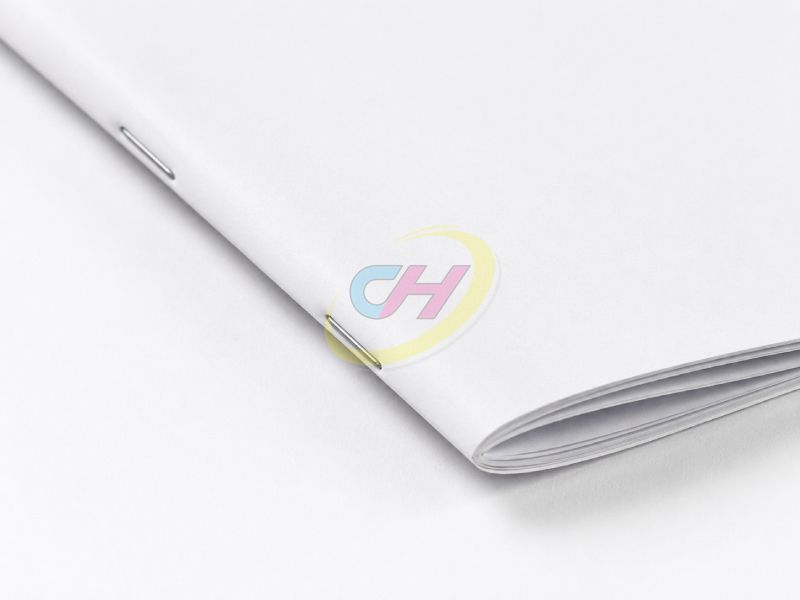
Saddle stitch binding uses staples through the folded spine. It is a practical choice for thinner comic books and single-issue comics.
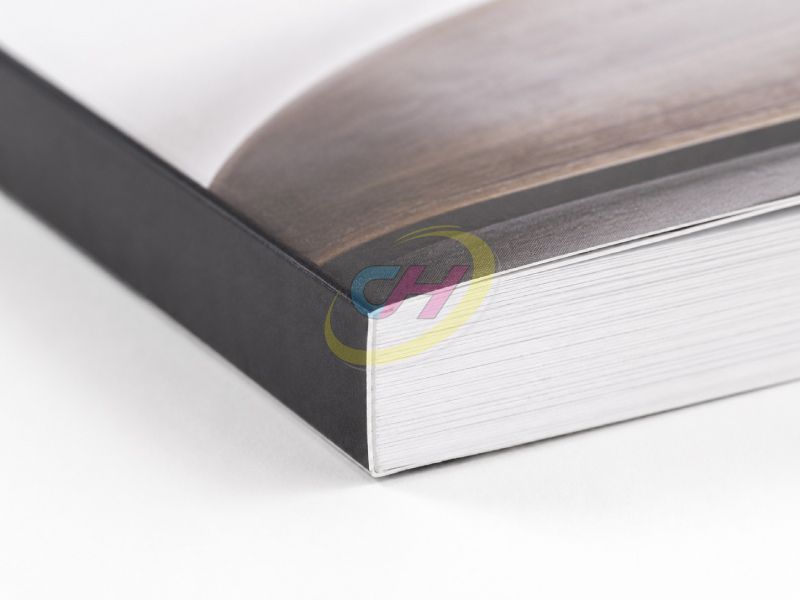
Perfect binding uses glue to hold the pages together and creates a flat spine. It is suitable for thicker comic books that need a paperback-style finish.
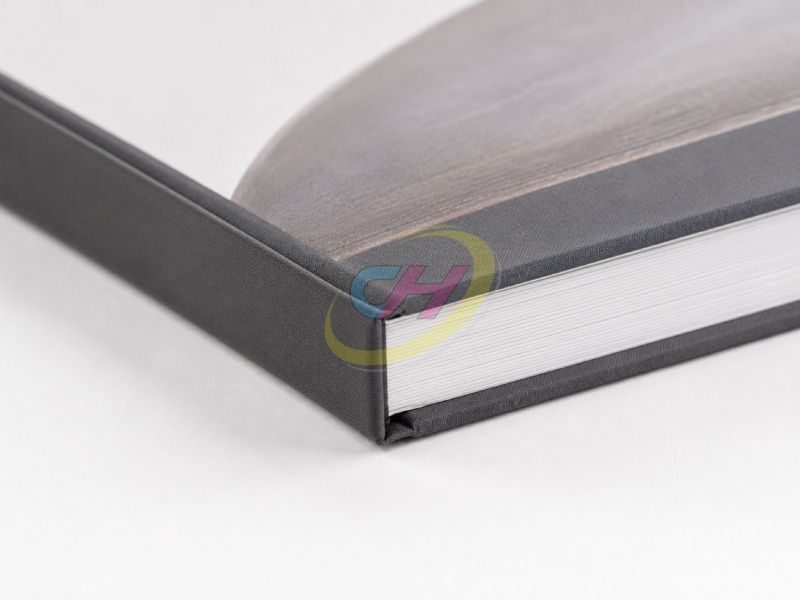
Hardcover binding uses a rigid cover to give the comic book stronger protection and a more premium structure. It works well for special editions or collection-style comic books.
Saddle Stitch Binding |
Perfect Binding |
Hardcover Binding |
Comic books can be printed in standard sizes or custom sizes based on your artwork layout and finished book style. The right size helps the page artwork look balanced and makes the book easier to read after binding.
| Format | Common Size | Product Use |
|---|---|---|
| Standard Comic | 6.625 × 10.25 in | Traditional comic issues with detailed panel artwork |
| Manga Size | 5 × 7.5 in | Compact comic books with a lighter hand feel |
| Digest Size | 5.5 × 8.5 in | Smaller comic projects and easy-carry formats |
| Trade Paperback | 6 × 9 in | Collected comic volumes with more pages |
| Large Portrait | 8 × 10 in | Artwork-focused comic pages with more visual space |
| Letter Size | 8.5 × 11 in | Larger page layouts for stronger image display |
| Square Size | 6 × 6 in / 8 × 8 in | Creative comic books with a balanced page shape |
| Landscape Size | 9 × 6 in / 11 × 8.5 in | Wide artwork layouts and horizontal scene designs |
Our standard MOQ is usually 500 pcs. A 300 pcs trial order may be possible depending on the comic book size and production details.
The cost depends on the finished size and total page count. Cover finish and order quantity will also affect the final quotation.
Comic books are often released as shorter issues or series. Manga usually has a smaller format and a different reading style. Graphic novels are usually longer books with a more complete story structure.
A single comic book is usually one issue. If you are planning a series, the number of issues depends on your story length and release plan.
Yes. Different cover versions can be produced if the inner pages stay the same. The quantity for each cover should be confirmed before pricing.
PDF is preferred because it keeps the page layout stable for printing. Please include bleed if the artwork reaches the page edge.
300 DPI is usually recommended for clearer line art and better color performance.
We mainly print based on your supplied artwork. We can help check the file and suggest production adjustments before printing.
Yes. A digital proof or physical sample can be arranged before mass production so you can check the print result first.