Photography Book Printing


Photography book printing focuses on how each image looks after it becomes a physical book. The page surface should support rich color and fine detail. The binding should keep the pages secure while giving the book a clean finished feel. The cover should protect the inner pages and create a stronger first impression. For projects with many full-page photos, the paper and structure should be matched carefully before production, so the final book can present the images clearly and professionally.
Photography book finishing helps protect the cover and improve the final presentation. The right finish can make the cover feel stronger and make the printed design look more refined.
Gloss Lamination Shiny and reflective, ideal for vibrant colors and photo-heavy book covers. |
Varnishing Protective glossy coating that enhances specific design elements. |
Matte Lamination Smooth, non-reflective finish for a clean and professional appearance. |
Soft Touch Lamination Velvet-like matte finish with a soft, premium feel. |
Foil Stamping Metallic foil finishes available in gold, silver, rose gold, and more. |
Spot UV Gloss coating applied to selected areas for contrast and visual impact. |
Embossing Raised surface details that add texture and elegance. |
Debossing Recessed impressions for a refined and tactile effect. |
Gilded Edges Metallic finishes applied to page edges for a luxury appearance. |
Painted Edges Custom colors, patterns, or artwork printed on book edges. |
Leather Cover Durable synthetic leather for a classic premium look. |
Cloth Cover Linen or cotton fabric covers for elegant hardcover books |
Die Cut Custom-shaped cutouts created with precision metal dies. |
Perforated Line Easy-tear perforation lines for removable sections. |
Tear Strip Built-in opening strip for convenient and clean access. |
Choosing the right paper is important for print quality, durability, and the overall reading experience:
Gloss Art Paper: Smooth and reflective surface that enhances vibrant colors and sharp images.
Matte Art Paper: Soft, non-reflective finish with excellent readability and premium print quality.
Uncoated Paper: Natural texture ideal for writing, journals, notebooks, and interactive books.
Explore our paper options to find the best choice for your custom softcover book printing project.
Gloss Art Paper |
Matte Art Paper |
Uncoated Paper |
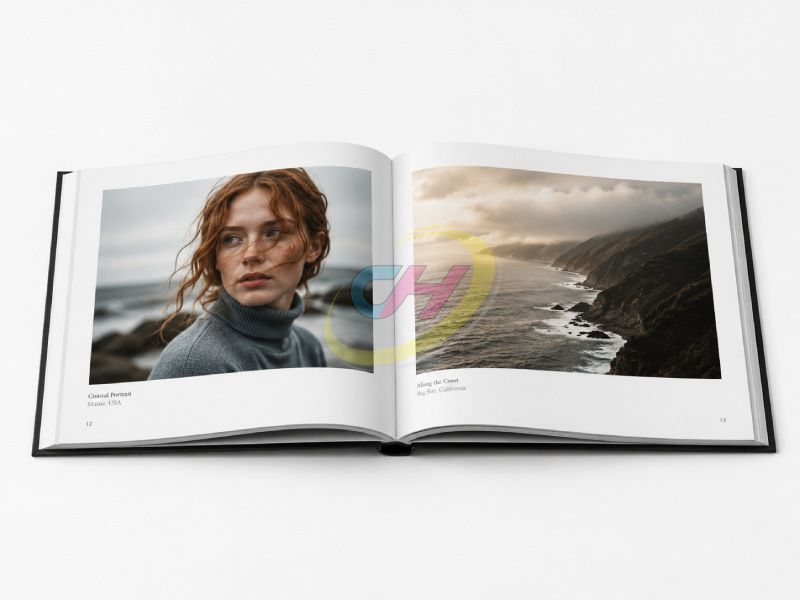
Paper choice directly affects how photos appear on the page. For photography books, coated art paper is commonly used because it gives images cleaner detail and stronger color performance.
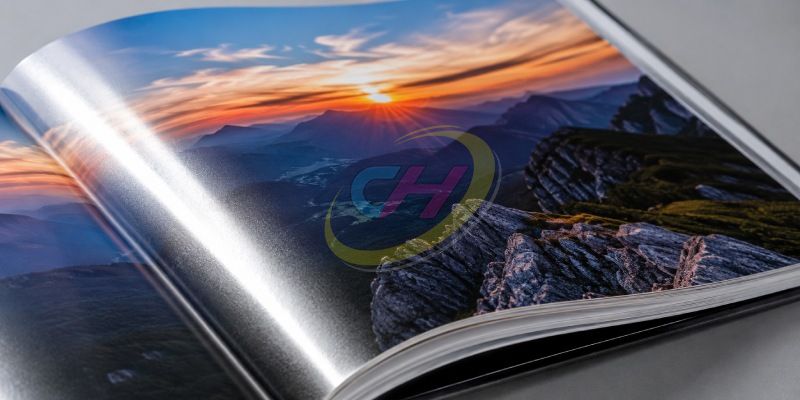
Gloss art paper has a smooth reflective surface that helps photos look vivid, sharp, and polished.
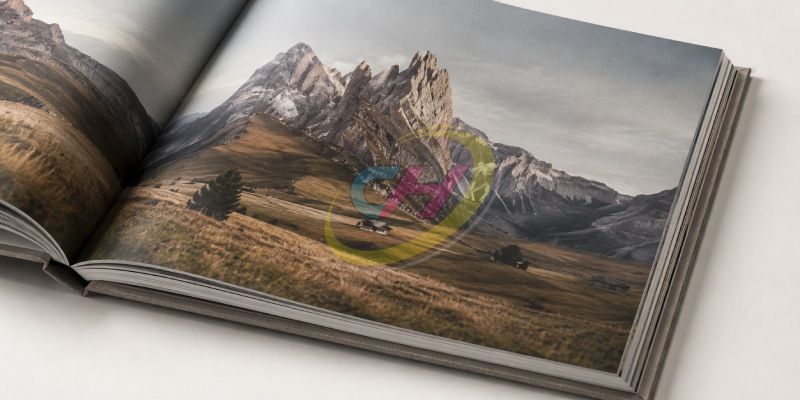
Matte art paper has a soft non-reflective surface that reduces glare and gives images a more refined printed feel.
For photography book printing, different parts of the book may use different paper stocks.
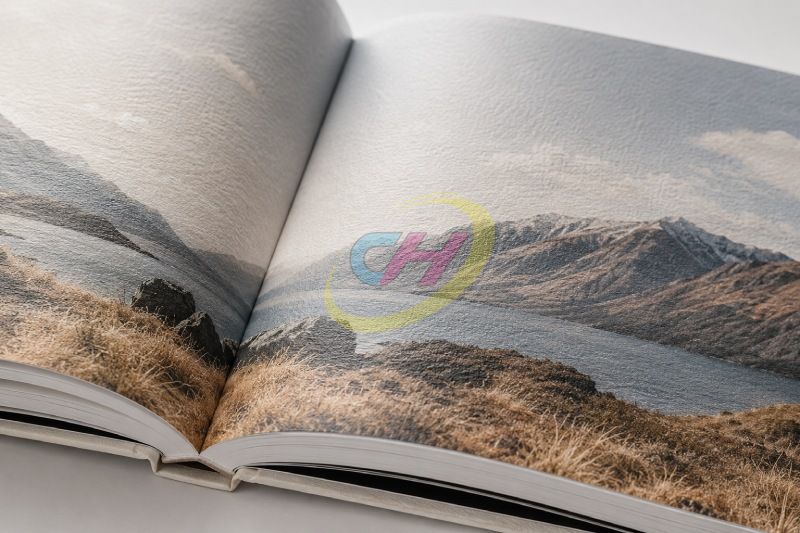
Textured paper adds a visible grain and a more tactile surface feel. It works well for endpapers, title pages, or special pages when the book needs a more artistic finish.
Colored paper can be used for endpapers or section dividers to create a stronger opening impression. It adds visual contrast between the cover and inner photo pages.
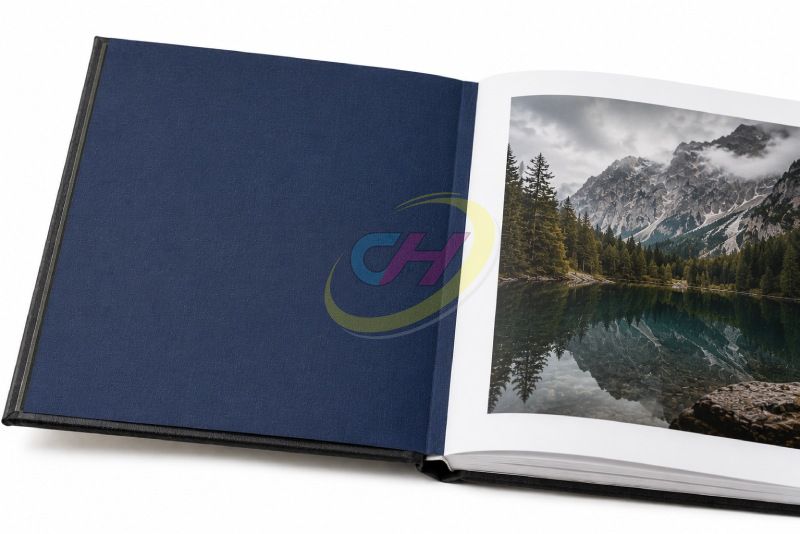
Choosing the right paper stock helps improve photo quality, binding strength, and the finished book feel.
Interior Pages: 128gsm / 157gsm / 200gsm gloss or matte art paper
Endpapers: 140gsm / 160gsm / 180gsm uncoated paper or colored paper
Hardcover Wraps: 157gsm coated cover paper mounted on 2mm / 2.5mm / 3mm grayboard
Binding affects how a photography book opens, turns, and feels in hand. Cover details also matter because they help protect the book and improve the final presentation.
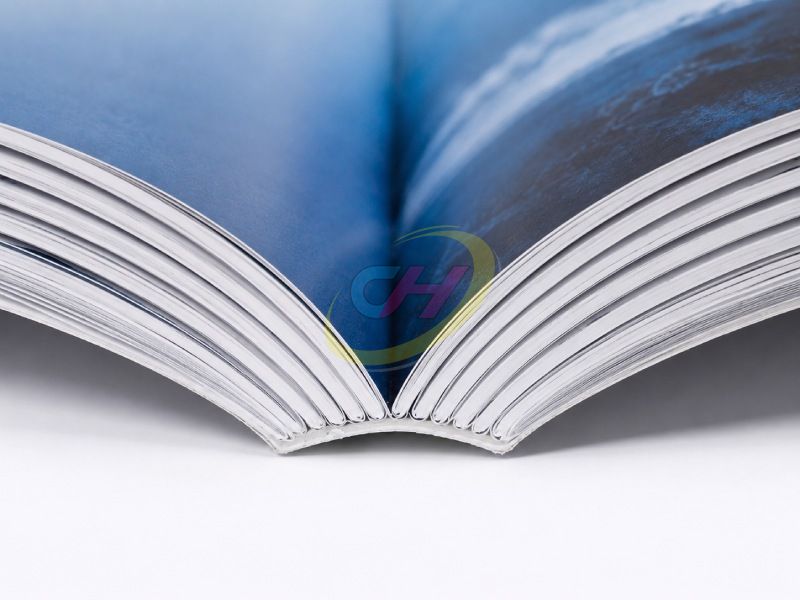
Sewn perfect binding uses thread sewing before gluing the pages into the cover. It gives photography books better strength and a cleaner paperback-style structure.
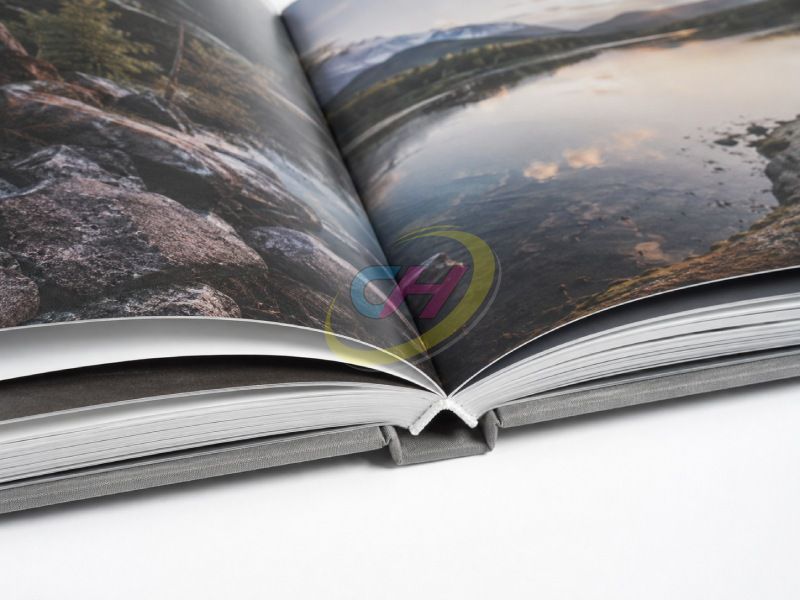
Sewn hardcover binding combines sewn pages with a rigid cover. It gives the photo book stronger protection and a more premium finished feel.
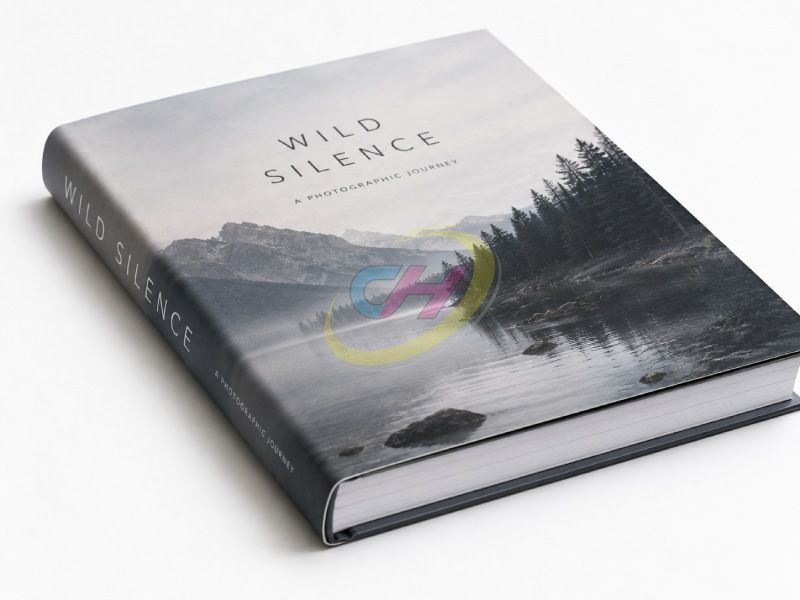
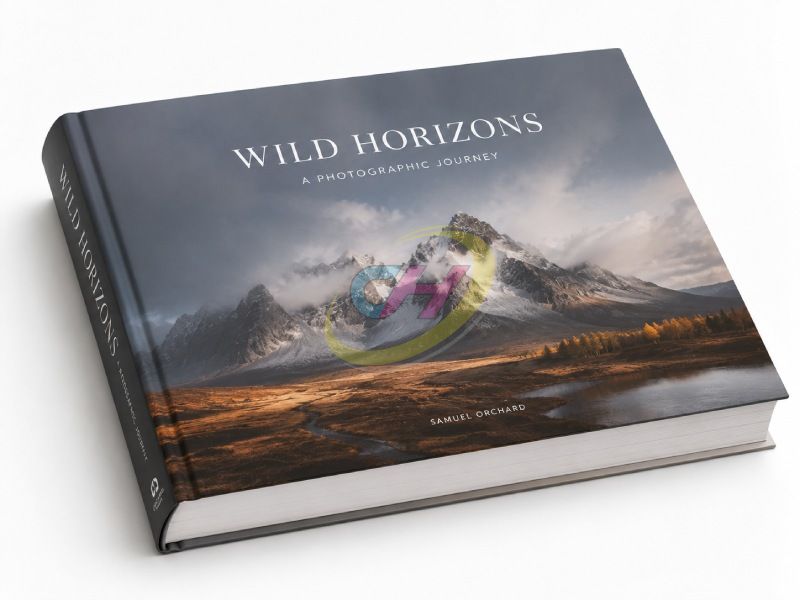
A dust jacket wraps around the hardcover book and adds an extra printed surface for the cover design. It also helps protect the main cover from daily handling.
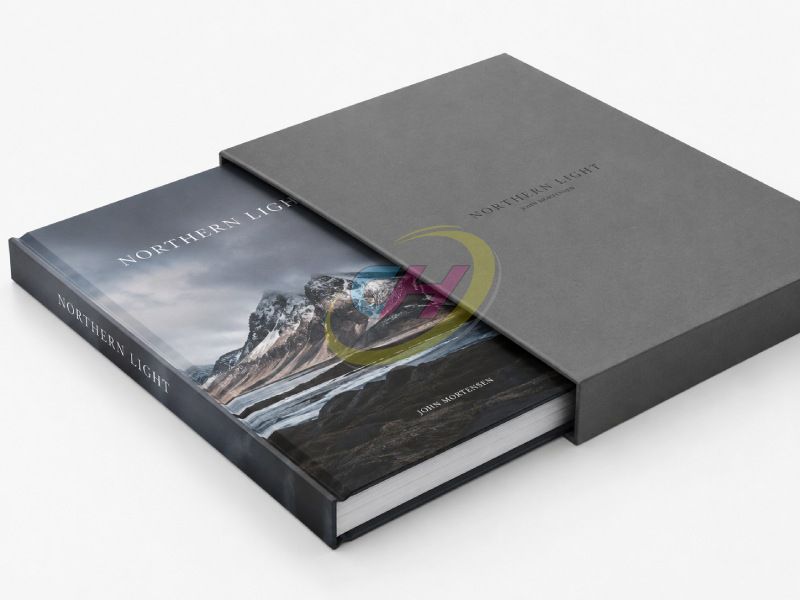
A slipcase gives the photography book a more complete presentation and better outside protection. It is a good choice when the book needs a gift-ready or collection-style finish.
Sewn Perfect Binding |
Sewn Hardcover Binding |
Dust Jacket |
Slipcase |
Photography book size should match the image orientation and final presentation style. Portrait formats work well for vertical images. Landscape formats give more space for wide photos. Square formats create a balanced layout. Oversized formats help create stronger visual impact for large photo projects.
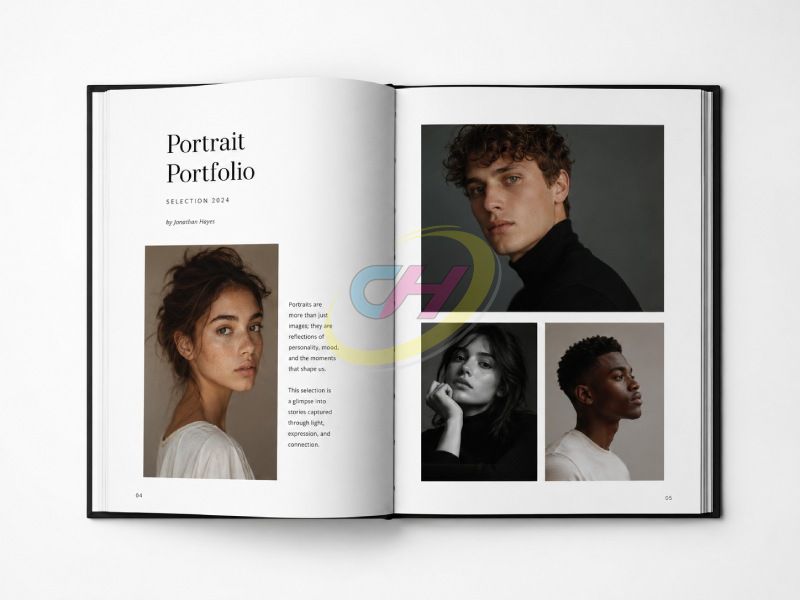
Portrait sizes are suitable for vertical photo layouts, portfolio books, editorial photography, and documentary projects.
5.5 × 8.5 in / 140 × 216 mm
8.5 × 11 in / 216 × 279 mm
9 × 12 in / 229 × 305 mm
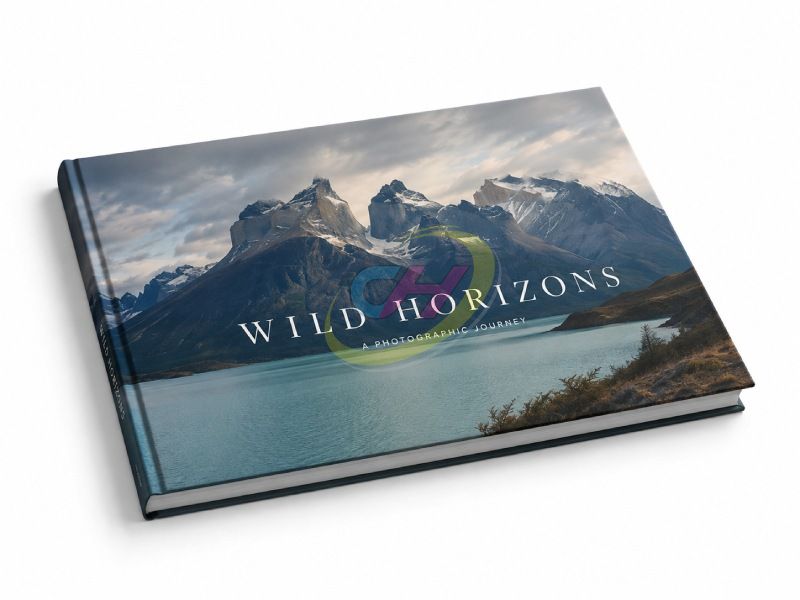
Landscape sizes are suitable for panoramic photos, travel photography, landscape images, and horizontal page designs.
11 × 8.5 in / 279 × 216 mm
12 × 9 in / 305 × 229 mm
Square sizes create a clean visual balance and work well when the book includes different image directions.
8.5 × 8.5 in / 216 × 216 mm
10 × 10 in / 254 × 254 mm
11 × 11 in / 279 × 279 mm
12 × 12 in / 305 × 305 mm
Oversized formats give photos more space and make the finished book feel more impressive.
11 × 14 in / 279 × 356 mm
11 × 16 in / 279 × 406 mm
12 × 16 in / 305 × 406 mm
Portrait |
Landscape |
Square |
Oversized |
Our standard MOQ is usually 500 pcs. A 300 pcs trial order may be possible depending on the book size and production details.
The cost depends on the book size and page count. Paper type also affects the price. Binding style and cover finish will be confirmed before we prepare a quotation.
You can send your print-ready file by email or online file transfer. PDF format is preferred because it keeps the page layout stable for printing.
High-resolution PDF is the best choice for production. Images should usually be prepared at 300 DPI for better print quality.
Yes. We can check image resolution, bleed area, page order and binding position before printing.
Yes. We can provide layout guidance or template support based on your book size and binding method.
Yes. A digital proof or physical sample can be arranged so you can check the paper, color effect, binding and overall quality before mass production.
Yes. Sample production usually takes about 3–7 working days after file confirmation, depending on the book structure and finishing process.