Two Piece Rigid Boxes


Built from a separate lid and base, this packaging opens with a simple lift-off action and provides firm protection through its greyboard construction. The lid depth can be adjusted to change how much of the base remains visible when the box is closed. Exterior paper and interior support can be developed around the supplied artwork and actual product dimensions.
The relationship between the lid and base changes the appearance and opening feel of a two-piece box. The overlap depth can be adjusted, or an inner neck can be added to create a more layered structure.

The removable lid extends almost to the bottom of the base, covering most of the lower section when closed. This deeper overlap creates a clean enclosed appearance and gives the lid more guidance as it slides into position. The fit should be checked during sampling so the box opens smoothly without feeling too loose or tight.

An inner neck rises above the base and fits inside the lid when the box is closed. A visible shoulder remains between the upper and lower sections, creating a defined layered edge around the box. The neck also helps guide the lid into position and can be wrapped in a contrasting material to make the structure more noticeable.
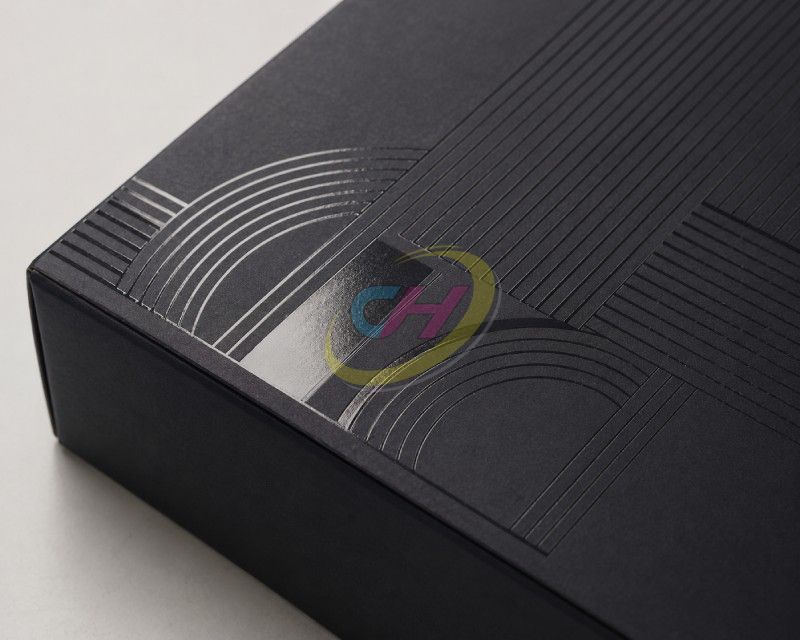
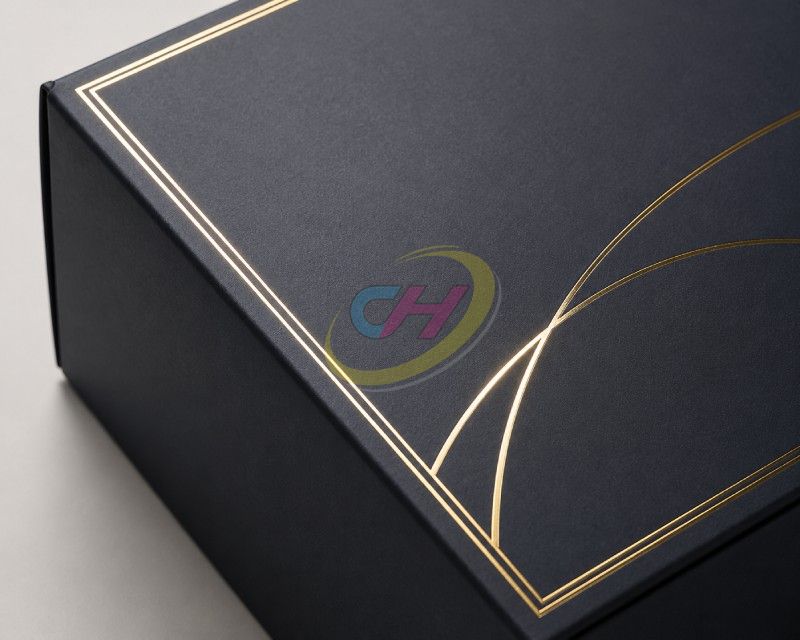
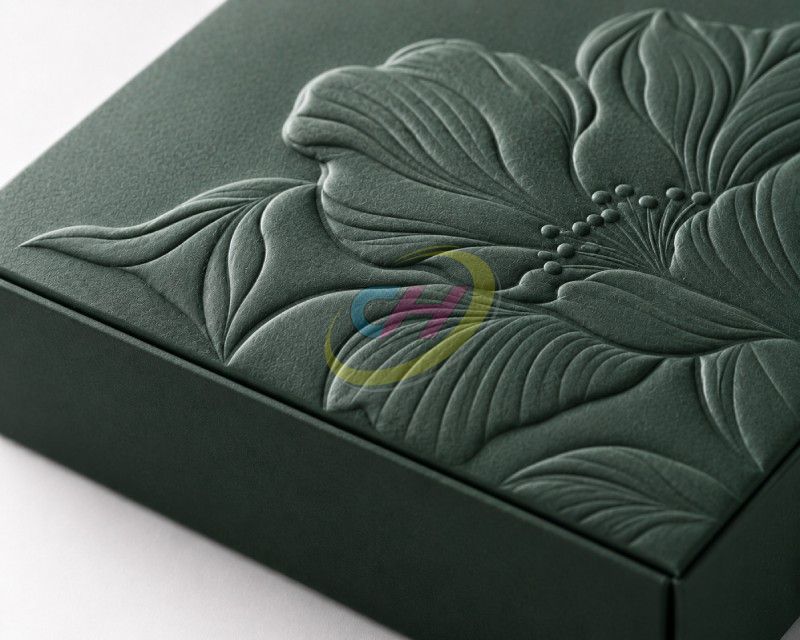
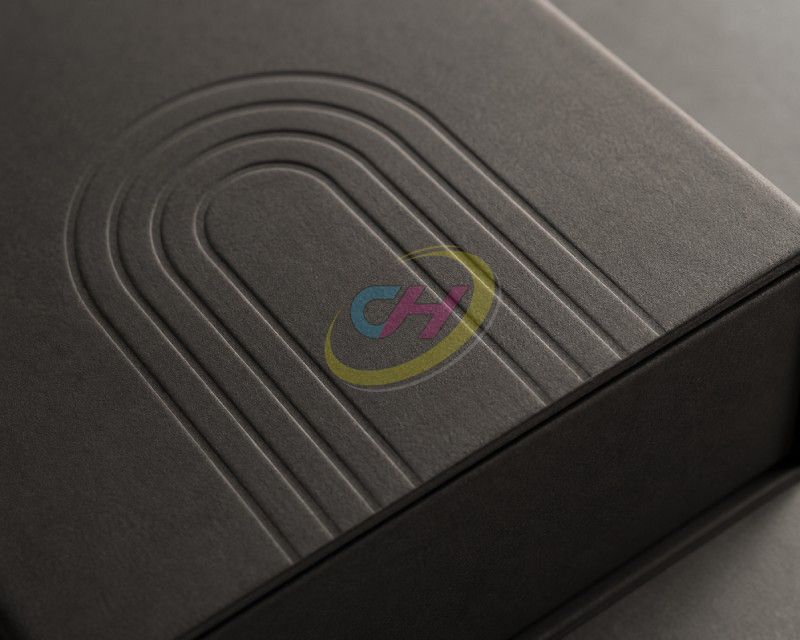
Surface finishing protects the wrapped paper and helps selected details from the supplied artwork stand out.
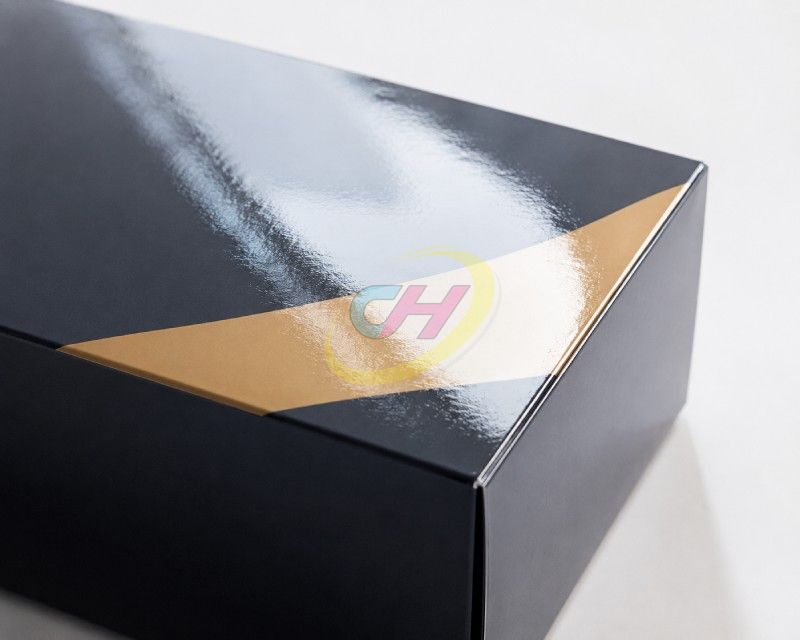
Gloss Lamination A reflective film makes printed colors appear brighter while adding protection against light surface wear and handling. |
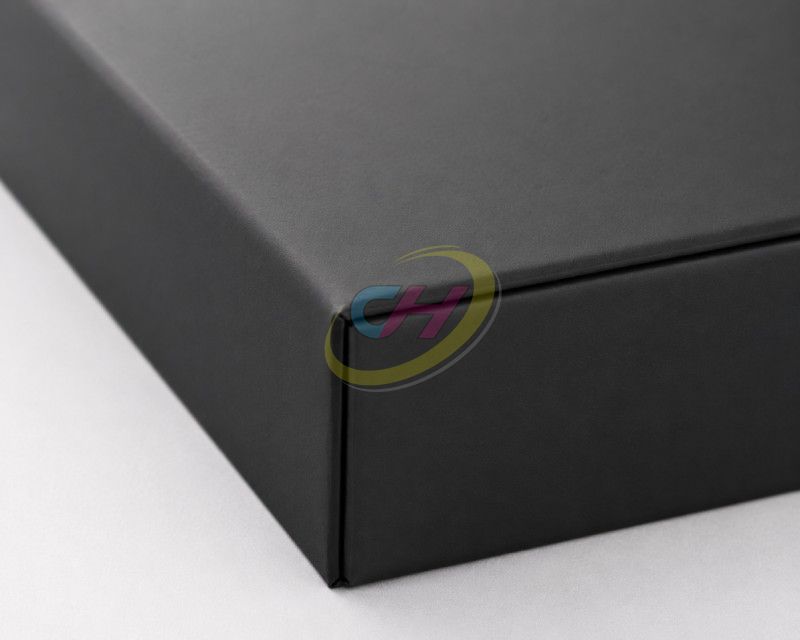
Matte Lamination The low-glare surface creates a smooth and understated appearance that keeps printed details clear under different lighting conditions. |
Soft Touch Lamination This finish gives the wrapping paper a soft tactile feel, making the box more pleasant to handle without adding visible shine. |
Varnish A clear coating adds light surface protection while preserving the natural appearance of the printed paper. Gloss or matte effects can be selected. |
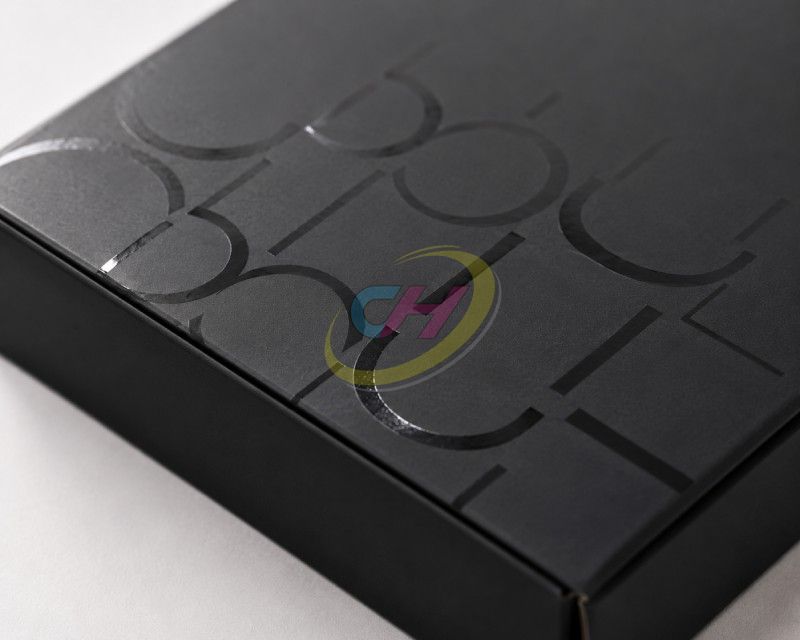
Spot UV Gloss coating is applied only to chosen parts of the artwork, creating visible contrast against the surrounding surface. |
Foil Stamping Metallic foil highlights important design details such as a logo or product name and can be produced in different foil colors. |
Embossing Selected artwork is raised above the surface to create depth that can be seen and felt without changing the main printed design. |
Debossing The chosen design is pressed into the surface, producing a recessed detail with a subtle and controlled tactile effect. |
The board thickness can be selected according to the finished box size and the level of structural support required.
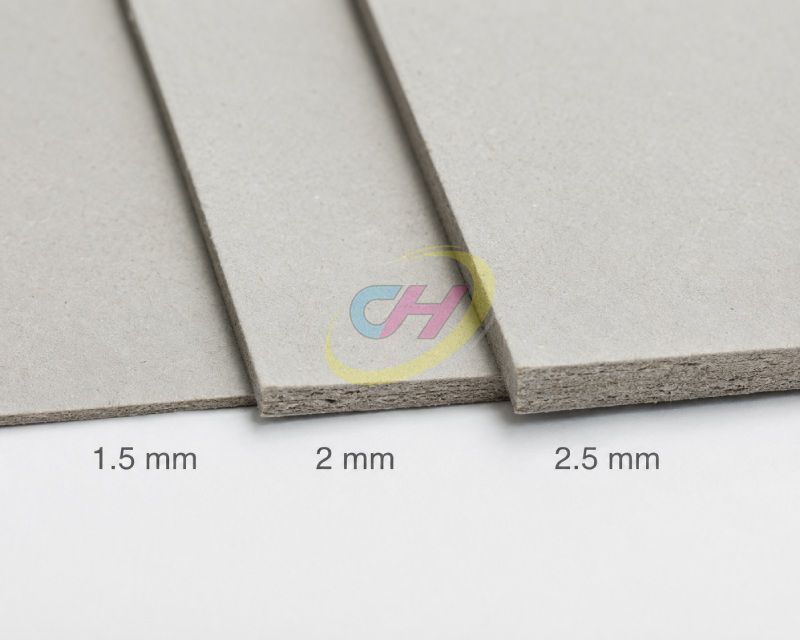
A lighter board structure suitable for compact boxes that do not need to hold heavy products.
Provides a balanced level of firmness and works well for many standard rigid box structures.
Creates a stronger box wall for larger packaging or products that require additional structural support.
The appropriate thickness depends on the finished dimensions and the weight placed inside the box.
Printed and specialty papers can be wrapped over the board to create the required surface effect based on your supplied artwork.
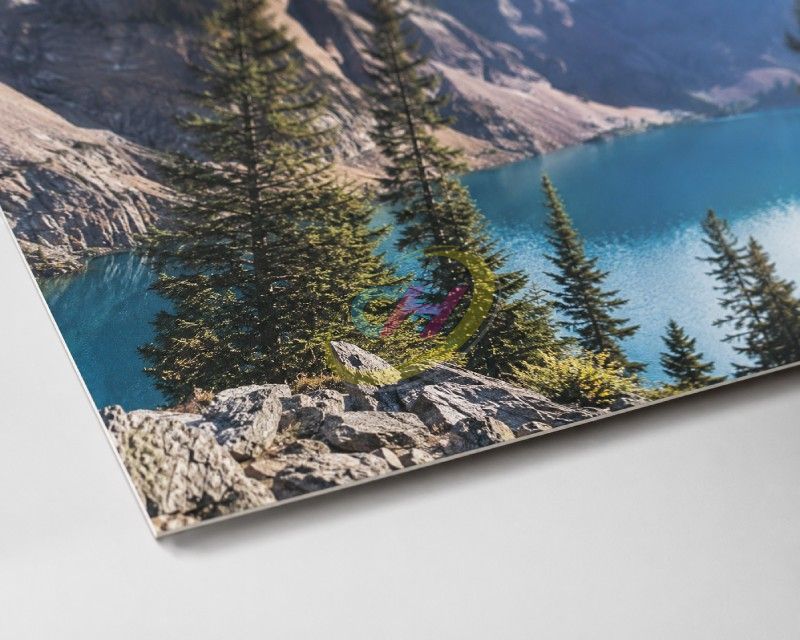
Printed Art Paper Provides a smooth surface for detailed artwork and consistent color printing. Lamination can be added to protect the finished exterior. |
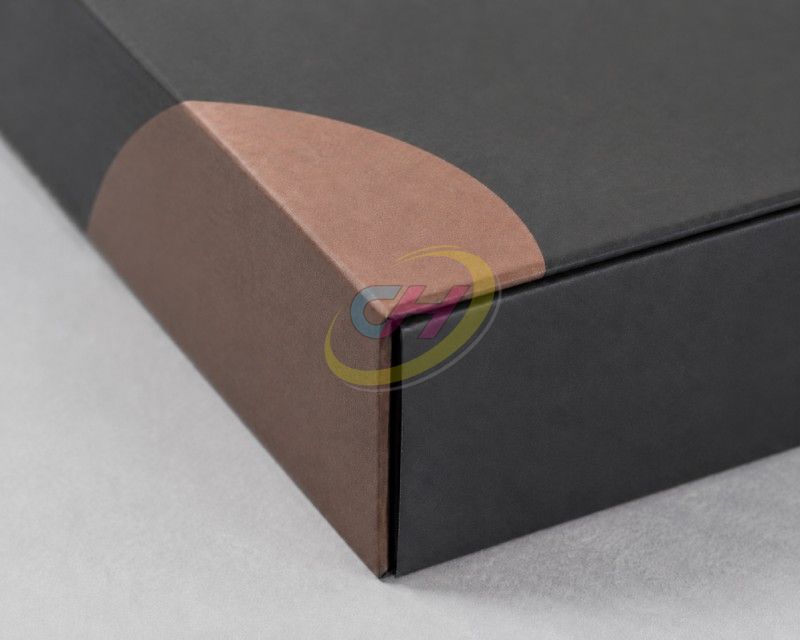
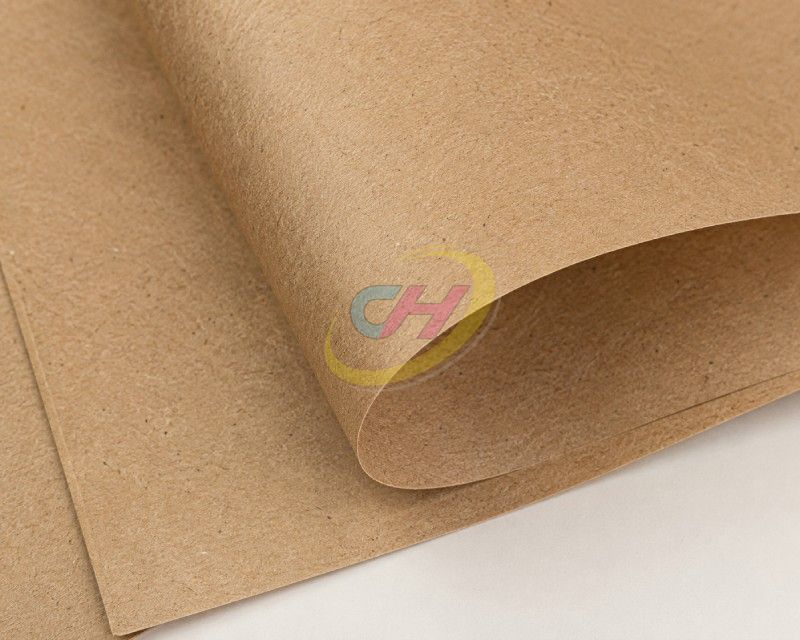
Kraft Paper Creates a natural paper appearance that works well with simple graphics and understated packaging styles. |
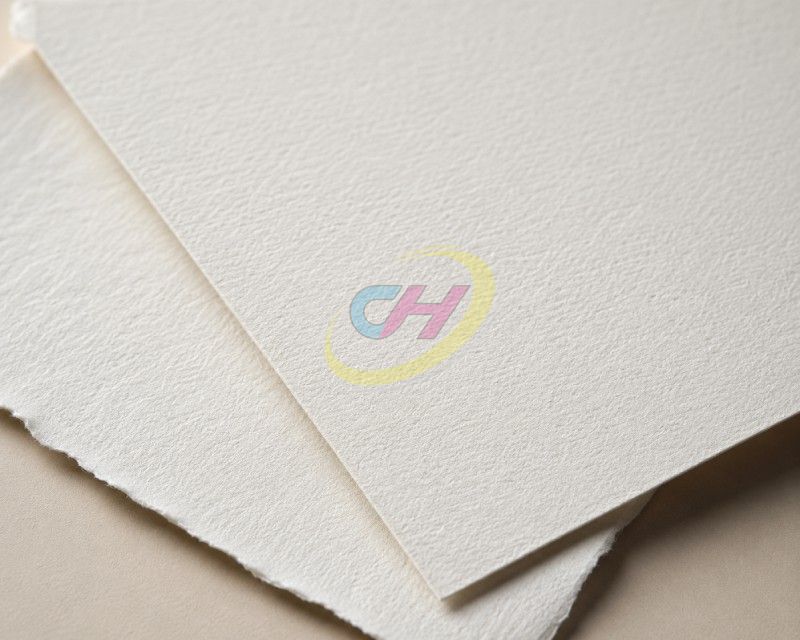
Textured Paper Adds a visible grain or fabric-like surface that gives the box a more tactile character. |
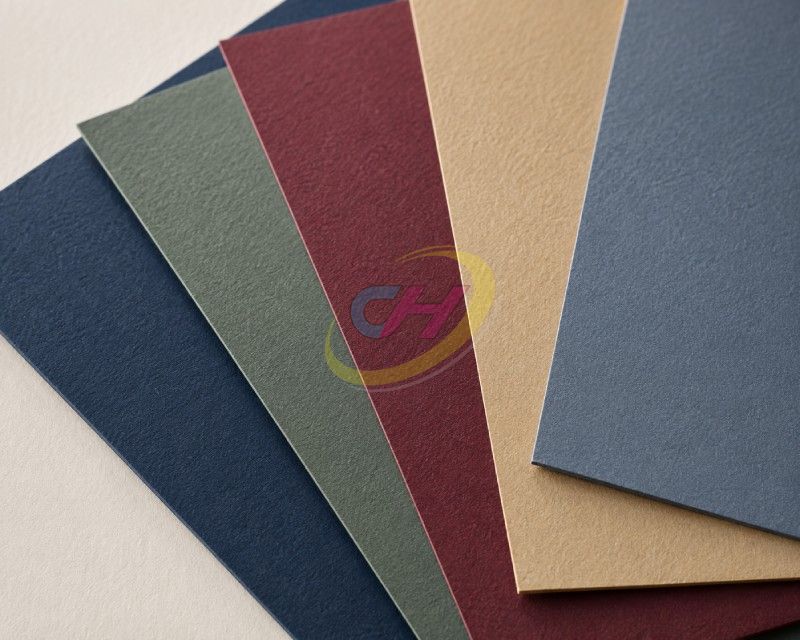
Colored Specialty Paper Uses paper with color already built into the material, creating a consistent background across the wrapped surface. |
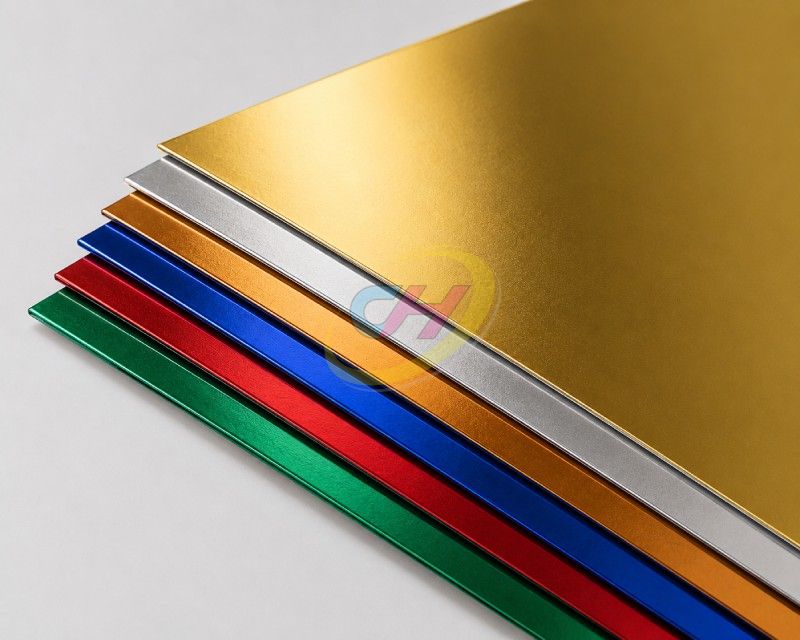
Metallic Paper Introduces a reflective metallic effect across the box without applying foil to the entire surface. |
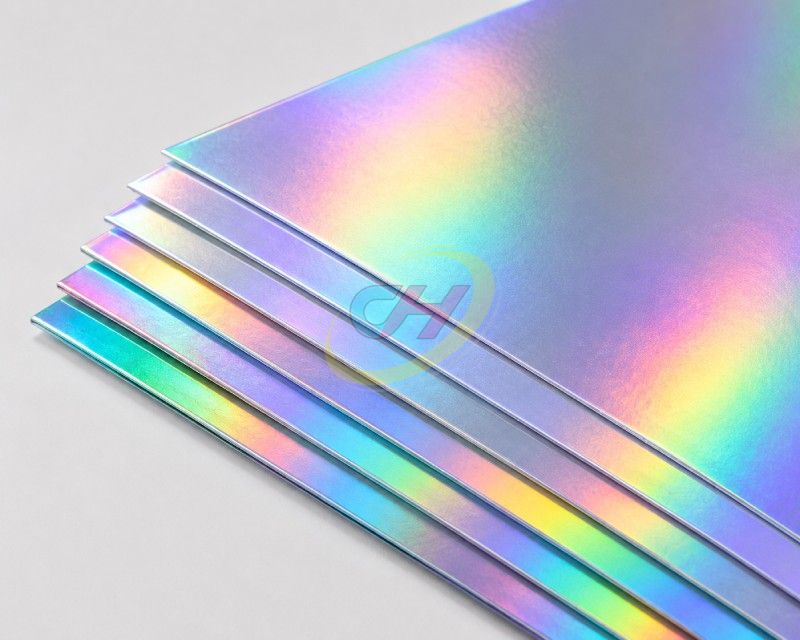
Holographic Paper Produces changing reflections from different viewing angles, giving selected packaging a more noticeable visual effect. |
Small structural details can improve how the product is held, displayed and removed from the box. These features can be developed around the actual product and the required opening experience.
The internal structure should keep the contents in position while making each item easy to see and remove after opening.
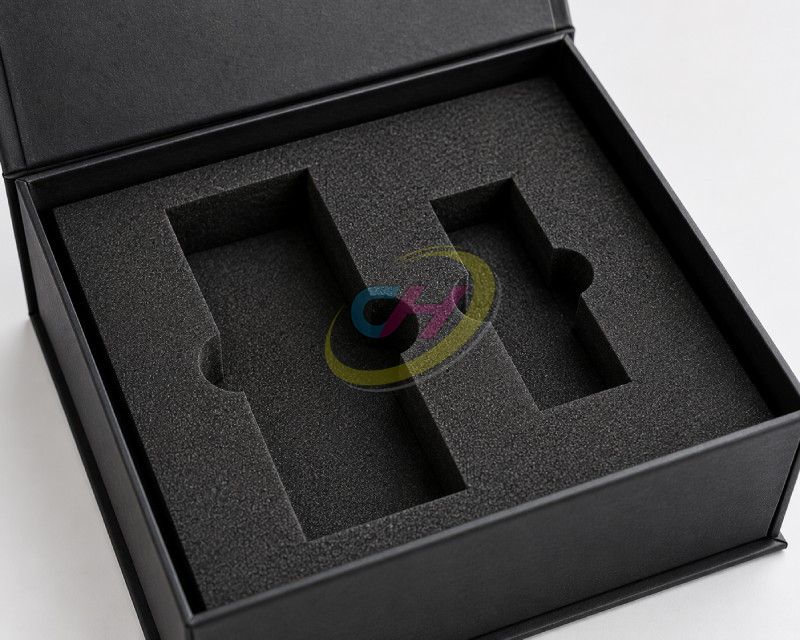
EVA Foam Insert
Precisely cut cavities hold the product firmly and reduce movement inside the box.
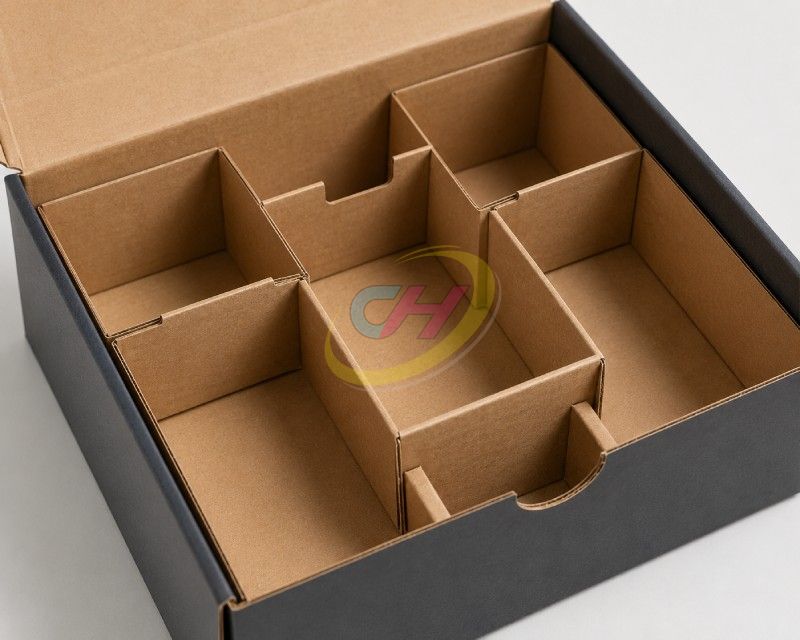
Paperboard Insert
Folded paperboard creates lightweight support and can separate the interior into different sections.
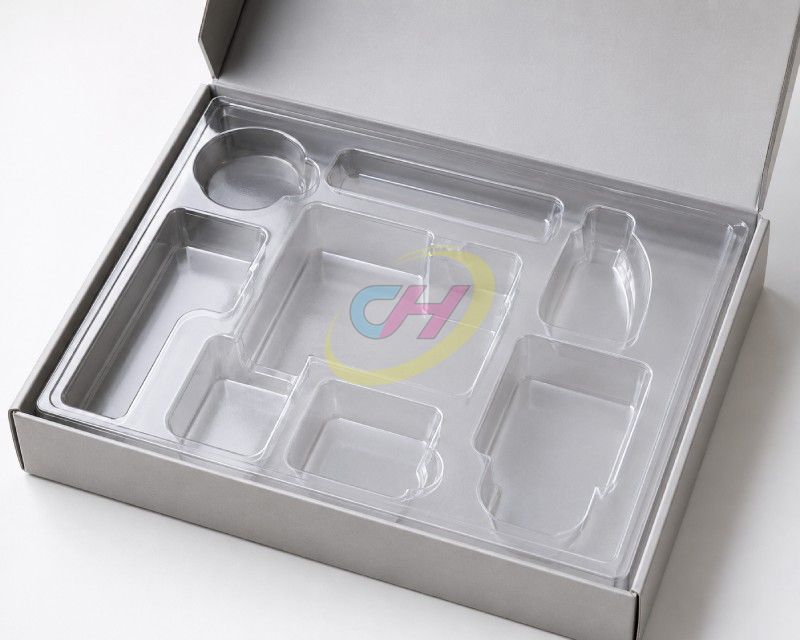
Plastic insert
A formed tray gives each product a consistent position and provides a closer fit around its shape.
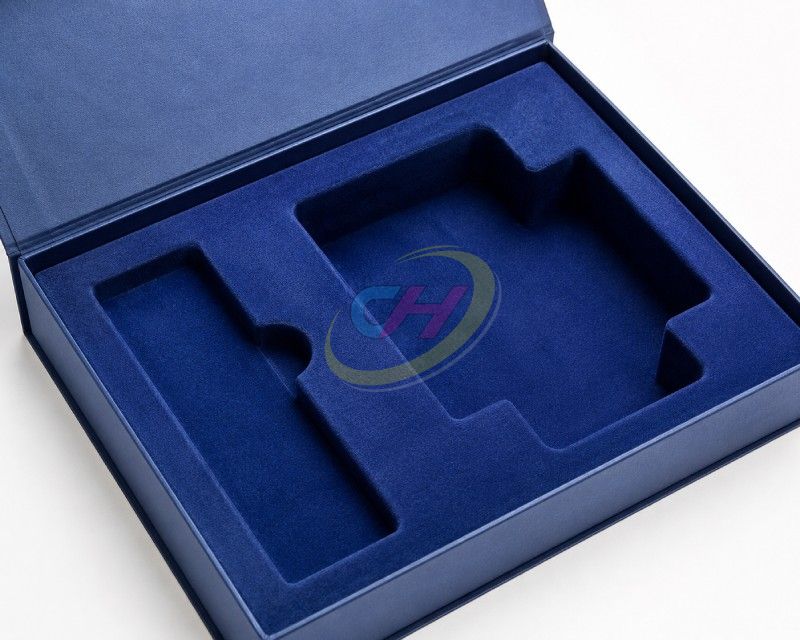
Fabric-Lined Insert
Fabric can be wrapped over foam or board to create a softer contact surface for delicate products.
EVA Foam Insert |
Paperboard Insert |
Plastic inserts |
Fabric-Lined Insert |
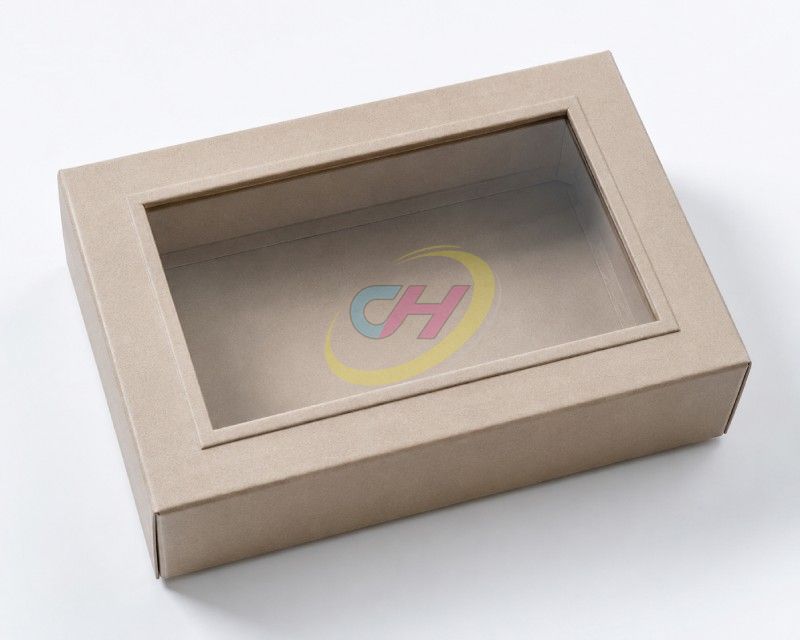
A display window reveals part of the product while allowing the box to remain closed and neatly presented.
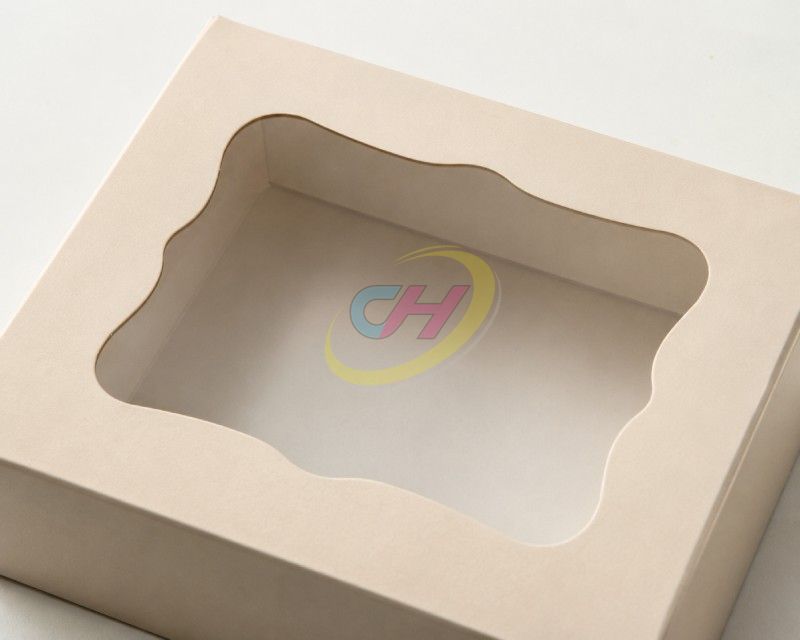
Die-Cut Window
The opening can follow a simple geometric shape or a selected element from the supplied artwork.
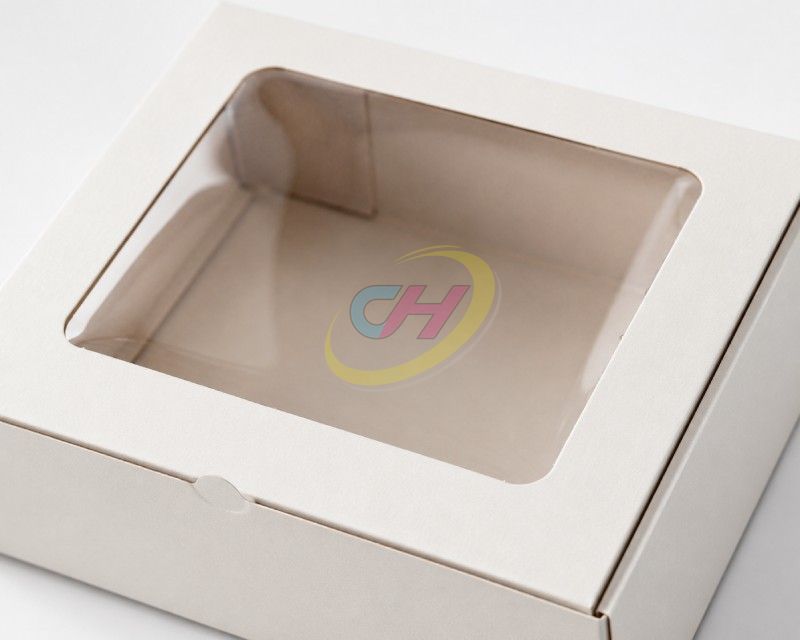
Clear PET Window
Transparent film covers the opening and helps protect the contents while keeping them visible.
Framed Display Window
A defined border around the opening creates a cleaner edge and a more structured appearance.
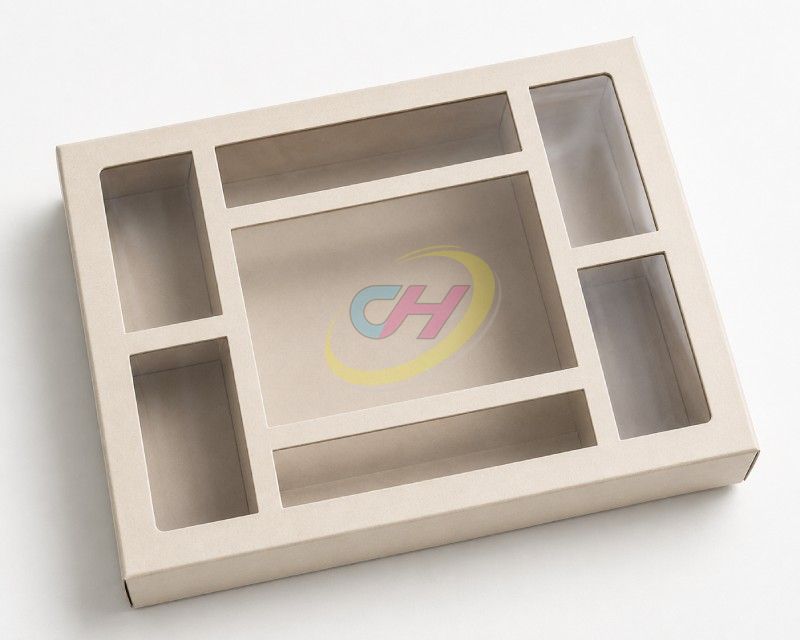
Multi-Section Window
Separate openings can be used when several products or compartments need to remain visible.
Die-Cut Window |
Clear PET Window |
Framed Display Window |
Multi-Section Window |
The fit is adjusted through the dimensions of the lid and base. Board thickness and wrapping material also affect the final clearance, so the opening action should be checked during sampling.
Yes. The lid can cover only the upper part of the base or extend farther down according to the required appearance and opening style.
Pricing depends on the finished dimensions and required quantity. The box depth and insert structure also affect the quotation. Send us the product details for an accurate price.
Clear measurements may be sufficient for initial development. A physical product sample is recommended when the insert needs a shaped or closely fitted cavity.
Yes. A sample allows you to check the lid fit and completed structure. It can also be used to confirm how the product sits inside the box.
Our standard MOQ is 500 pieces. A trial order from 300 pieces may be considered after the dimensions and production details are confirmed.
Yes. A production dieline can be supplied after the final box dimensions are confirmed. We mainly manufacture from supplied artwork and can review the file setup before printing.
Custom sample production normally takes about 3–7 working days. Bulk production usually takes around 10–15 working days after the artwork and sample are approved.