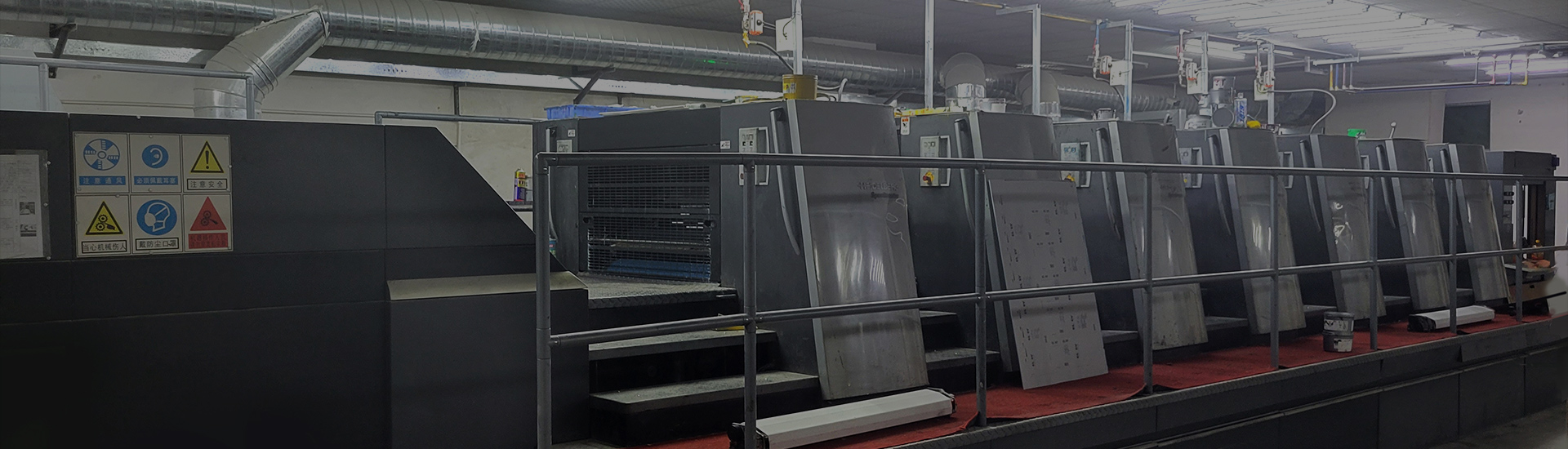
Bible Printing for Publishers, Churches and Ministries
Caihong Paper Products provides bulk Bible printing services for publishers, Bible societies, churches, ministries and religious book distributors. Thin paper, small-text reproduction, page opacity, sewn binding, cover materials and finishing are coordinated around the supplied print-ready files and the intended edition.
Bible Printing Manufacturer Since 2002
High-page-count Bibles need more than ordinary book production. Paper thickness, show-through, ink density, signature planning, spine construction and cover flexibility must work together so the finished book remains readable, secure and practical to handle.
Experience in book printing, sewn binding and export order coordination.
Standard MOQ; trial orders from 300 copies may be considered.
Typical sample time after files, paper and construction are confirmed.
Binding Formats for Different Bible Editions
Binding should be selected after the trim size, page count and paper have been fixed. The correct structure supports repeated opening without making a high-page-count Bible unnecessarily heavy or rigid.
Sewn Hardcover Bibles
A thread-sewn book block and rigid case provide stronger protection for study, reference, family and presentation editions. Printed paper, cloth and synthetic leather covers are available.
Flexibound Bibles
A flexible cover creates a softer hand feel and easier handling while offering more support than an ordinary paperback. It is suitable for portable reading and regular use.
Sewn Paperback Bibles
A sewn softcover structure reduces finished weight and supports larger distribution programs. Cover lamination can be added to improve resistance to surface wear.
Bible Printing Specifications
These are common production references rather than fixed packages. Final specifications are confirmed according to the approved files, required opacity, page count, binding and target finished size.
Bible Paper
Thin Bible paper commonly ranges from 30–50 gsm. Stronger 70–120 gsm uncoated stocks can be used for study, journal and large-print editions.
Interior Printing
Options include black text, two-color text and references, or CMYK pages for maps, illustrations, introductions and children’s Bible content.
Cover Materials
Printed paper, cloth, linen and synthetic leather can be applied to hardcover or flexible cover structures according to the approved edition.
Finishing and Accessories
Foil stamping, embossing, debossing, gilded or painted edges, ribbon markers, headbands, dust jackets and slipcases can be confirmed during sampling.
Match the Paper to the Page Layout
Page count alone does not determine the paper. Text size, ink coverage, writing space, illustrations, opacity and the required finished thickness all affect the selection.
Standard Reading Editions
Thin, opaque paper helps control the spine width and finished weight when the edition contains many text pages.
Study and Journal Bibles
A stronger uncoated sheet gives notes, references, margins and writing areas more support during regular use.
Illustrated Editions
Coated or suitable uncoated paper can be selected for color maps, artwork, photographs and children’s content after print testing.
Large-Print Bibles
Larger type may increase the page count, so trim size, paper thickness, spine width and handling should be evaluated together.
Production Time for Bulk Bible Printing
Timing depends on paper availability, page count, binding, cover construction, finishing, quantity and delivery method. The schedule below is a general production reference.
File Review
Usually 1–2 working days after the complete cover, interior files and specifications are received.
Physical Sample
Usually 3–7 working days after the paper, printing, binding and finishing are confirmed.
Bulk Production
Usually 10–15 working days after the files and physical sample are approved.
International Shipping
Express, air, sea or rail delivery can be arranged according to the shipment size, destination and deadline.
Bible Editions for Publishing and Distribution Projects
Production can be adapted to the reading purpose and distribution channel while keeping every edition tied to the buyer’s approved content and artwork.
Why Choose Caihong for Bible Printing?
Small-Text Reproduction
Prepress checks focus on image resolution, fine text, line weight, registration and ink coverage before proofing.
Paper Opacity Control
Paper weight, opacity and printing density are tested together to reduce distracting show-through on thin pages.
Binding for Repeated Reading
Signature sewing, adhesive, spine shape, hinges and cover support are matched to the page count and paper.
Edition and Export Coordination
Sample approval, page-order control, packing, carton marks and international delivery can be coordinated for bulk orders.
Bible Printing Order Process
Each project follows an approval sequence so the text, page order, paper, binding and cover can be checked before bulk production.
Confirm Specifications
Define trim size, page count, quantity, paper, binding, cover and finishing.
Review Print Files
Check production details in the supplied cover and interior PDFs.
Approve the Sample
Check text clarity, show-through, page sequence, binding and cover details.
Bulk Production
Printing, folding, gathering, sewing, binding and inspection follow the approval.
Pack and Ship
Finished books are protected, packed and shipped by the confirmed method.
File Preparation for Bible Book Printing
Supply final print-ready cover and interior files after the trim size and page count have been confirmed. The buyer is responsible for the approved Bible text, translation rights and final editorial content.
Supply final cover and interior PDFs with fonts embedded or converted to outlines.
Confirm permission to reproduce the selected translation, annotations, maps and other protected content.
Use legible type, suitable line spacing and sufficient stroke weight for stable reproduction.
Prepare black text, spot colors and CMYK elements according to the confirmed printing method.
Check books, chapters, references, front matter, maps and blank pages in the final PDF sequence.
Add the confirmed bleed and keep text, page numbers and notes clear of trim and binding areas.
Finalize the spine width only after the paper, page count and binding structure are fixed.
Mark foil, embossing, debossing, spot UV and edge treatments on separate named layers.
FAQ About Bible Printing
What paper is used for high-page-count Bibles?
Thin Bible paper around 30–50 gsm is commonly considered when the priority is controlling thickness and weight. The final choice depends on opacity, page count, printing and availability.
How is show-through reduced on thin Bible paper?
Suitable paper opacity, controlled ink density and balanced page layouts help reduce distracting text show-through. A physical printed sample should be checked before bulk production.
Can you print study, journal and large-print Bibles?
Yes. Paper, trim size and binding can be adjusted for notes, writing margins, reference sections and larger text based on the supplied final page files.
Can Bibles be printed in different languages?
Yes. Multilingual and single-language editions can be produced from buyer-supplied print-ready files. The buyer should complete translation, proofreading and page-order approval before printing.
Who provides the Bible text and copyright permission?
The buyer supplies the final Bible text, cover artwork and permission to reproduce the selected translation and other protected material.
Is a physical sample available before bulk printing?
Yes. The sample can be used to check text clarity, show-through, paper feel, page sequence, binding, cover alignment and finishing.
What is the minimum order quantity?
The standard MOQ is normally 500 copies. A trial order from 300 copies may be considered after the paper, page count, binding and cover requirements are confirmed.
Start Your Bible Printing Project
Send the trim size, final page count, quantity, paper preference, binding, cover requirements, finishing, delivery destination and print-ready files. We will review the production details and prepare a project-specific quotation.


