Blog
May. 21, 2026
You might not think about it, but printed products like paperback books, hardcover books, and leaflets follow different “standard” sizes in different countries. The reasons are historical, cultural, and technical. If you are ordering a print job from another region, understanding these differences matters. The same applies to paper sizes and the way paper weight is measured. Choosing the right size means your book, catalog, or poster feels natural on the shelf and in the reader’s hands.
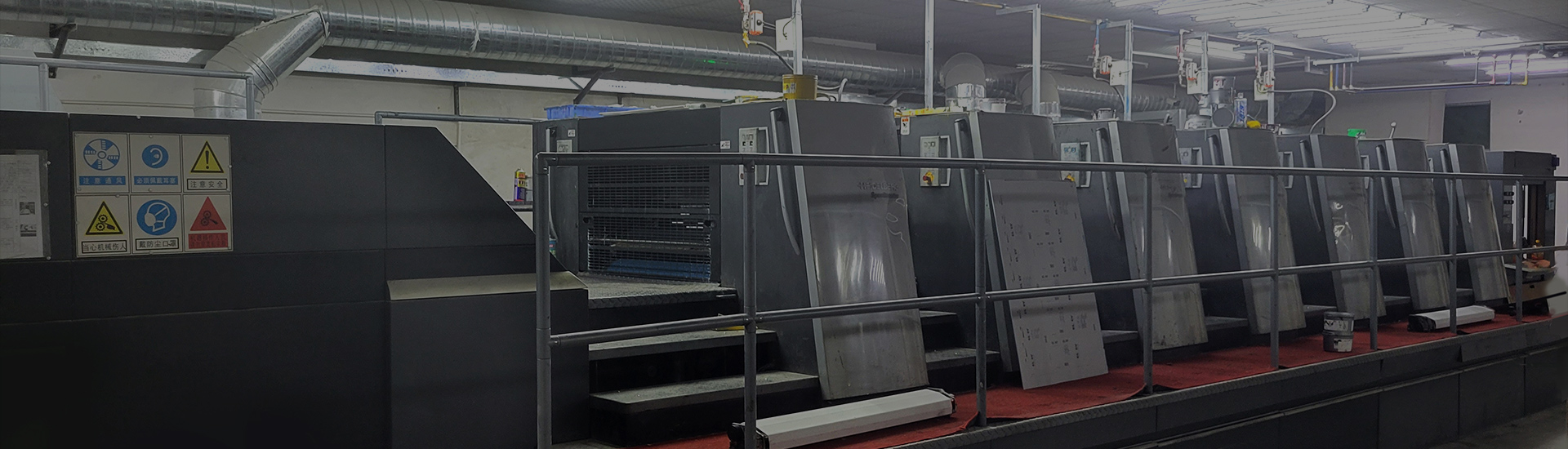
In offset printing, large sheets of paper feed into the press. The pages are laid out in “signatures” that will be folded and cut into the final pages. The largest common sheet is A1, and many other sizes are built by halving it step by step.
For example:
A4 is half the size of A3.
A3 is half the size of A2.
A2 is half the size of A1.
A5 is half the size of A4.
This pattern means a clean number of pages can fit on each sheet, which reduces waste and keeps your cost lower than if every page were printed alone.
| Paper Size | Width × Height (mm) | Width × Height (inch) |
|---|---|---|
| A0 | 841 mm × 1189 mm | 33.1" × 46.8" |
| A1 | 594 mm × 841 mm | 23.4" × 33.1" |
| A2 | 420 mm × 594 mm | 16.5" × 23.4" |
| A3 | 297 mm × 420 mm | 11.7" × 16.5" |
| A4 | 210 mm × 297 mm | 8.3" × 11.7" |
| A5 | 148 mm × 210 mm | 5.8" × 8.3" |
| A6 | 105 mm × 148 mm | 4.1" × 5.8" |
| A7 | 74 mm × 105 mm | 2.9" × 4.1" |
While the ISO 216 standard covers most of the world, the US, Canada, and some Latin American countries use different sizes like US Letter and Tabloid. Paper size directly shapes the standard printing product sizes for books, catalogs, magazines, and posters. Using standard sizes also helps with machinery, packaging, storage, and retail display
North American printing often revolves around the 8.5" × 11" (US Letter) format. The machinery, shelves, and mail systems are built to handle this size comfortably.
8.5" × 11" – Common for workbooks, manuals, and some trade books.
6" × 9" – A popular size for trade paperbacks and fiction.
8" × 10" – Often used for photo books, art books, and non‑fiction.
5.5" × 8.5" – A compact size for novels, memoirs, and small reprints.
These sizes feel natural to readers in the US and Canada and fit well on local shelves and racks.
8.5" × 11" – A standard size for catalogs, magazines, and multi‑page booklets.
5.5" × 8.5" – A compact size for small brochures, mini‑catalogs, and inserts.
These formats are easy to mail, easy to store, and easy for customers to flip through.
8.5" × 11" – A common size for wall and desk calendars.
12" × 12" – A square wall calendar that feels more decorative.
Both sizes are easy to produce and easy to hang.
36" × 48" – A large poster for stores and events.
24" × 36" – A mid‑size poster for hallways and public areas.
18" × 24" – A smaller poster for offices and small spaces.
12" × 18" – A small poster or promotional placard.
These sizes match common framing and mounting systems.
9" × 12" – A practical size for holding 8.5" × 11" documents and small collateral.
This size fits the US Letter format, so it feels natural to users in North America.
In Europe and Australia, the A series paper sizes are the main reference. Many products are built from A3, A4, and A5 sheets, folded or cut as needed.
210 mm × 297 mm (A4) – Common for workbooks, manuals, and large‑format books.
152 mm × 230 mm (A5‑like) – A typical size for paperbacks and illustrated books.
148 mm × 210 mm (A5) – A compact size for small novels and notebooks.
These sizes are easy to print and feel familiar to readers in Europe and Australia.
210 mm × 297 mm (A4) – A classic size for catalogs and B2C magazines.
148 mm × 210 mm (A5) – A compact size for travel guides and small brochures.
These formats are easy to mail and display.
297 mm × 210 mm – A vertical calendar that fits on many walls.
300 mm × 300 mm – A square calendar that feels decorative and modern.
Both sizes are easy to produce and easy to hang.
610 mm × 900 mm – A large poster for stores and exhibitions.
450 mm × 600 mm – A mid‑size poster for public areas.
297 mm × 420 mm (A3) – A small poster or large flyer.
These sizes align with the A series paper, so they are easy to produce.
230 mm × 310 mm – A folder that fits A4 pages and is easy to store.
This size is widely used in business and education.
In China, printing often blends ISO‑style sizes with locally defined sizes. Many catalogs and books follow ISO‑style A series dimensions, but special Chinese sizes also exist.
210 mm × 285 mm – A common size for trade paperbacks and illustrated books.
170 mm × 240 mm – A mid‑size format for novels and textbooks.
142 mm × 210 mm – A compact size for small books and notebooks.
These sizes are widely used in Chinese bookstores.
210 mm × 285 mm – A standard size for catalogs and product brochures.
142 mm × 210 mm – A small size for mini‑catalogs and inserts.
These sizes align with common Chinese machinery and retail expectations.
297 mm × 210 mm – A vertical calendar that fits many offices.
420 mm × 297 mm (A3) – A large calendar that can double as a poster.
300 mm × 300 mm – A square calendar that feels decorative.
These sizes are easy to produce and easy to display.
870 mm × 570 mm – A large poster for malls and events.
570 mm × 420 mm – A mid‑size poster for shops and showrooms.
420 mm × 285 mm – A small poster or large flyer.
These sizes are optimized for Chinese paper and presses.
225 mm × 300 mm – A folder that fits common Chinese book sizes and is easy to use in business.
This size is widely used in Chinese markets.
Chinese paper manufacturers typically produce three main base sizes:
787 mm × 1092 mm
889 mm × 1194 mm
890 mm × 1250 mm
These sheets are the starting point for many Chinese printing products, similar to how the A1 sheet is used in the ISO system.
Standard sizes offer many benefits: they are usually cheaper, easier to handle, and natural for retail and storage. But you do not have to use them. If you have a unique idea, custom sizes can help you stand out.
For example:
A boutique brand may want a special book size for a premium catalog.
We can print your book, catalog, brochure, or any other product in a custom size and layout. We will help you balance creativity with practicality.
If you are unsure which standard size to use or whether a custom size is right for your project, we are always ready to help. We can walk you through the options, explain how each size affects your cost and feel, and make sure the final product matches your expectations. You can contact us anytime to discuss your project or request a sample, and get direct support for your next print job.


