Stickers Printing


Custom stickers can make books and packaging look more branded and complete. They can show product details or add a simple decorative touch. A good sticker should print clearly. It should peel smoothly and stay firmly on the right surface. The material should match the way the sticker will be used. The cutting style should also follow the design so the finished sticker looks clean and professional.
Finishing can change the way a sticker looks and feels after printing. It can also help protect the printed surface and make the design more suitable for product packaging or book projects.
Lamination Lamination adds a protective film that makes the sticker more durable and gives the surface a gloss or matte look. |
Foil Stamping Foil stamping adds metallic detail to make the sticker look more premium and eye-catching. |
Spot UV Spot UV adds glossy contrast to selected design areas so key details stand out more clearly. |
Embossing Embossing creates a raised texture that gives the sticker a more tactile and dimensional feel. |
Die Cut Die cutting shapes the sticker around the artwork for a cleaner custom appearance. |
3D Varnish 3D varnish creates a raised glossy effect that adds depth and shine to the sticker design. |
The right sticker material affects print clarity. It also changes the surface feel and how the sticker performs after application. The material should match the product surface and the final visual effect you want.
Coated paper stickers have a smooth paper surface that gives clear printing and good color performance. They are a practical choice for book stickers and general packaging labels.
Vinyl stickers use a stronger film material and offer better durability during frequent handling.
Clear polypropylene stickers use a transparent PP film material that lets the product surface show through while keeping the printed design clean and visible.
Removable stickers use an adhesive that can be peeled off more easily without leaving heavy residue on the surface.
Kraft paper stickers have a natural paper texture that gives books and packaging a warmer handmade style.
Holographic film stickers create a shifting rainbow effect under light and make the sticker look more eye-catching.
Coated Paper Stickers |
Vinyl Stickers |
Clear Polypropylene Stickers |
Removable Stickers |
Kraft Paper Stickers |
Holographic Film Stickers |
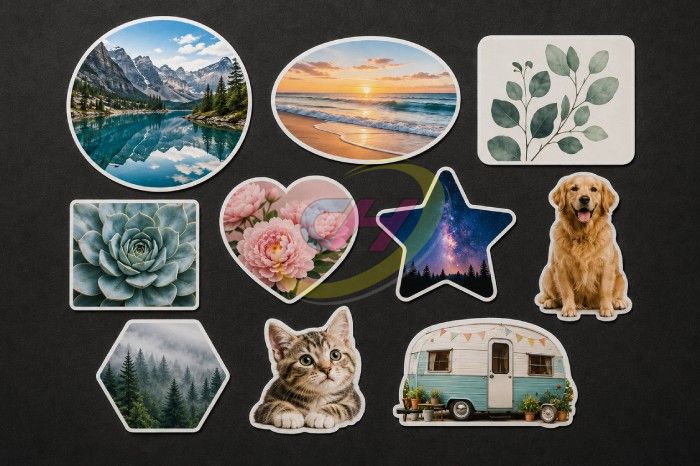
Custom stickers can be made to match your artwork and the surface where they will be applied. Round stickers are a common choice, but the shape can also follow your logo, product label, book cover detail, or packaging design. We use die cutting to create clean sticker edges and keep the final shape consistent. For small sticker designs, several stickers can be arranged on one backing sheet to make production and application more practical.
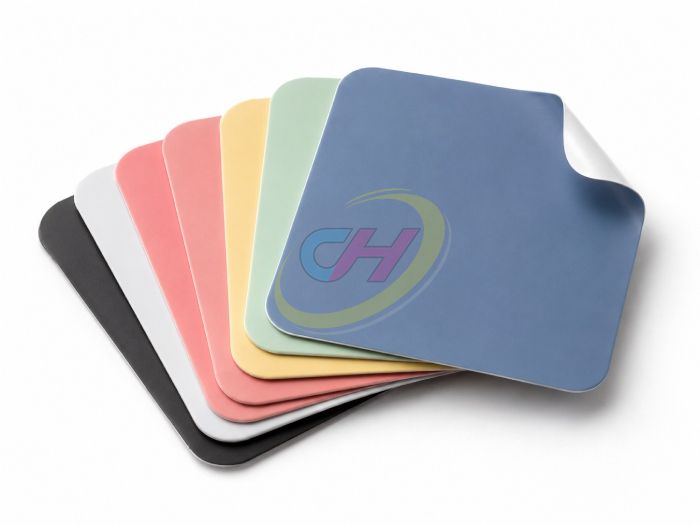
Sticker color should be selected based on the design style and material surface. CMYK printing is suitable for most full-color artwork. Different printing methods can also be selected depending on the final effect you want. If you are not sure which option is better, we can help check your file and suggest a suitable printing solution before production.
The price depends on the sticker material. Size also affects the cost. If your design needs a special surface effect or stronger adhesive, the quotation will be adjusted based on the final production requirements.
Yes. Stickers can be made to fit your logo, artwork, book cover, packaging surface, or product label area. We can also help check the cutting line before production.
The best material depends on how the sticker will be used. Paper stickers are practical for general printed products. Vinyl stickers offer stronger durability. Transparent stickers work well when you want the background surface to show through.
Vinyl stickers are flexible and more durable than regular paper stickers. They can handle frequent touch better and keep the printed design looking clean for longer use.
Yes. Special finishes can make stickers look more eye-catching and premium. They can also help protect the printed surface and create a stronger visual effect.
Low-tack adhesive is easier to remove. High-tack adhesive gives a stronger hold. Permanent adhesive is suitable when the sticker needs to stay in place for a long time.
Yes. We can help check the print file, cutting line, bleed area, and final layout before production. This helps reduce printing or cutting problems.
Production time depends on the order quantity and process. After the artwork and sample are confirmed, we can provide a more accurate production schedule.


