Blog
Nov. 11, 2026
For a standard 300-copy book, digital printing is usually the first route to consider. For a fixed edition of 500 copies or more, offset printing should normally be compared.
These are useful starting points, not fixed rules. Pantone inks, unusual paper, large formats or folded signatures can make offset practical earlier. Variable pages or expected revisions can keep digital printing relevant at a higher quantity.
The offset vs digital printing decision therefore starts with run length, but the complete book determines the answer.
| Decision Point | Digital Printing Fits Better When | Offset Printing Fits Better When |
|---|---|---|
| Run plan | The edition is small, divided or likely to change | The specification is fixed across the full run |
| Content | Pages vary between versions or individual copies | Every copy uses the same approved files |
| Color | CMYK or black-only reproduction is sufficient | The book needs actual Pantone inks or demanding solid coverage |
| Paper and format | The project fits an approved stock and digital sheet size | The project needs more paper or format flexibility |
| Book block | The binding works with the available digital output | Folded signatures and section sewing are central to the structure |
| Reprints | Later batches may contain revised content | Later runs need to remain close to the original edition |
Neither process is automatically better. The right method is the one that preserves the intended paper, color and construction without adding unnecessary production cost.
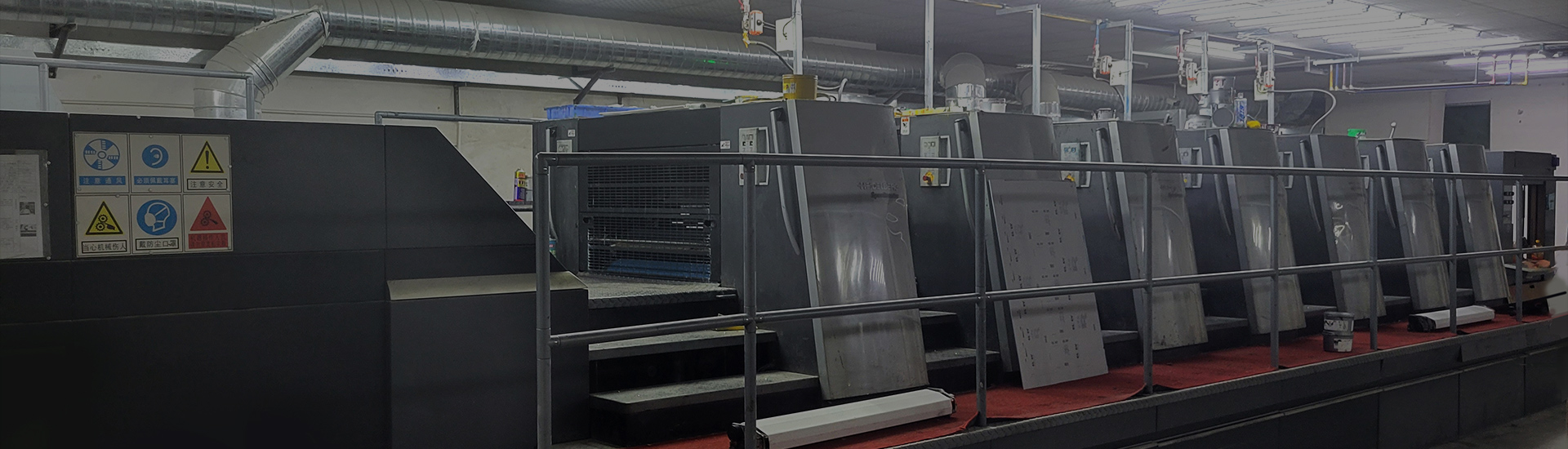
Offset production needs plates and press setup before the main run begins. Digital printing removes the plate stage, so the initial setup is lighter.
That does not mean every short run belongs on a digital press. Copy quantity does not show how many sheets the job actually requires. A long book creates far more press impressions than a slim publication at the same run length.
Digital printing is normally the practical starting point for a standard-format book using compatible paper and CMYK or black-only pages.
It becomes more useful when the text may change before the next batch. Revised files can enter production without preparing another set of offset plates.
If the real question is how much stock to commit to, see Short-Run Book Printing. That article covers first-run planning, so it does not need to be repeated here.
Offset becomes stronger when the complete edition uses the same files, materials and color setup. Its initial preparation is spread across more printed sheets, while larger press formats can improve paper use.
A long book may reach that point earlier than expected because page count increases the total printing volume.
There is no useful universal crossover number.
Page count, finished size, paper, color and binding all affect the calculation. Digital printing versus offset printing should therefore be compared using the same finished book.
A cheaper quotation based on lighter paper, simulated color or a different book-block structure is not a true comparison.
Both processes can reproduce photographs, illustrations, grayscale images and black text. The difference becomes more important when the design depends on a controlled solid color.
A novel cover, illustrated manual or full-color interior can be printed digitally or by offset.
Digital CMYK output can be sharp and consistent on a suitable stock. Offset becomes more attractive when the run requires stable reproduction across many sheets or the artwork contains broad, demanding color areas.
The same CMYK values will not look identical on every press. Digital toner or ink, offset ink, paper surface and press profile all influence the result.
A digital press can simulate many Pantone colors through CMYK, but that result remains a process-color approximation.
When a logo, title or background must use a separately mixed spot ink, offset is normally the correct production route. CMYK images and Pantone elements can still appear in the same project.
The role of the reference system is explained in our Pantone color guide.
A digital sample can show page layout and general color direction before an offset run. It cannot reproduce the exact ink density and paper response of the final offset production.
Color-critical work needs a reference suited to the final press and material. Our color matching guide explains how to set that target.

Every digital press has limits for sheet size, stock thickness and surface compatibility. Offset equipment also has limits, but it usually offers more options when a project uses an uncommon paper or format.
Digital production is efficient when the paper is compatible with the press and the pages fit its sheet without excessive waste.
This suits many novels, manuals and standard-format illustrated books. Moving such a project to offset simply because offset sounds more traditional does not improve the result.
A wide landscape book or large hardcover may fit the nominal digital sheet but leave too little room for bleed, trimming and efficient imposition.
Reducing the finished size to accommodate a press changes the product. When format is important, select the production route around the book rather than redesigning the book around the equipment.
Exact dimensions and page setup are covered in the book trim size guide.
A stock chosen for its shade, texture or bulk may not be available in a suitable digital sheet. Some materials also need a digital-compatible surface.
If the paper is part of the intended reading or visual result, it should not be replaced only to keep the job on a particular press. Its thickness and grain direction must also support the selected binding.
Offset and digital describe the printing process, not the finished cover.
Both can produce hardcover books and softcover books. The difference lies in how the printed pages enter the binding line.
Offset book pages are commonly imposed on larger sheets, printed and folded into signatures. Those sections can then be gathered and sewn.
This makes offset a natural route when a multi-section book depends on Smyth sewing or another folded-signature structure.
Digital pages may be produced as individual sheets, continuous-fed sections or digitally printed signatures.
A digitally printed book can be perfect bound or case bound. Sewing is also possible when the available workflow can create suitable folded sections. It should be confirmed rather than assumed.
The structural choice between sewn and adhesive book blocks is covered in Smyth Sewn vs Perfect Binding.

Lamination, foil stamping, embossing and spot UV are separate finishing operations. Their presence does not automatically make a project suitable for offset.
A digitally printed cover can receive these finishes when its surface, sheet size and finishing sequence are compatible. Offset becomes more likely when the cover also needs a spot ink, a difficult solid background or a material outside the digital press range.
A metallic title alone is not a reason to choose offset. Its artwork and material should be assessed through the foil stamping requirements.
The first run is only part of the decision. Future batches may contain updated files, or they may need to match the original edition closely.
Digital production is useful when a manual, course book or corporate publication will change between batches.
The updated file can replace the earlier version without repeating offset plate preparation. This makes controlled revisions easier to manage.
Switching from offset to digital can change color, surface appearance and available paper. Those differences may be acceptable for a revised manual but are more noticeable across a matched series.
When repeatability matters, retain the printing process, paper and approved color reference as part of the production record.
Digital and offset do not have to compete for every stage of the same project.
A digitally printed copy can reveal pagination errors, narrow margins, cover dimensions and general binding behaviour before an offset run.
It remains a structural reference unless the final books use the same digital process. Exact offset color still needs an appropriate offset reference.
The cover and book block are printed separately before binding. In some projects, one part may suit digital production while the other suits offset.
This only makes sense when both routes support the same spine width, material and finishing plan. Splitting production should solve a real specification issue rather than introduce avoidable variation.

Choose digital printing for a shorter standard-format edition when the files may change, individual copies need different pages or the available stock already suits the press.
Choose offset printing when the edition is fixed and depends on actual Pantone inks, broader paper choices, a larger format or folded signatures for sewing.
In the crossover range, compare identical specifications rather than generic price bands. The better method is the one that keeps the intended book intact.
For a production review based on the actual page count, paper and binding, see our custom book printing service or contact us.


