Softcover Book Printing for Publishers, Brands and Bulk Projects
Caihong Paper Products provides softcover book printing and OEM/ODM manufacturing for publishers, brands, educational companies, independent authors and distributors. Perfect-bound paperbacks, sewn softcovers, saddle-stitched books and French flap editions are produced from customer-supplied artwork for bulk publishing and branded programs.
Softcover Book Manufacturer Since 2002
A softcover book combines a flexible printed cover with a bound or stitched book block. Paper, cover weight, binding, spine preparation, finishing and packing are reviewed together for consistent production across the complete order.
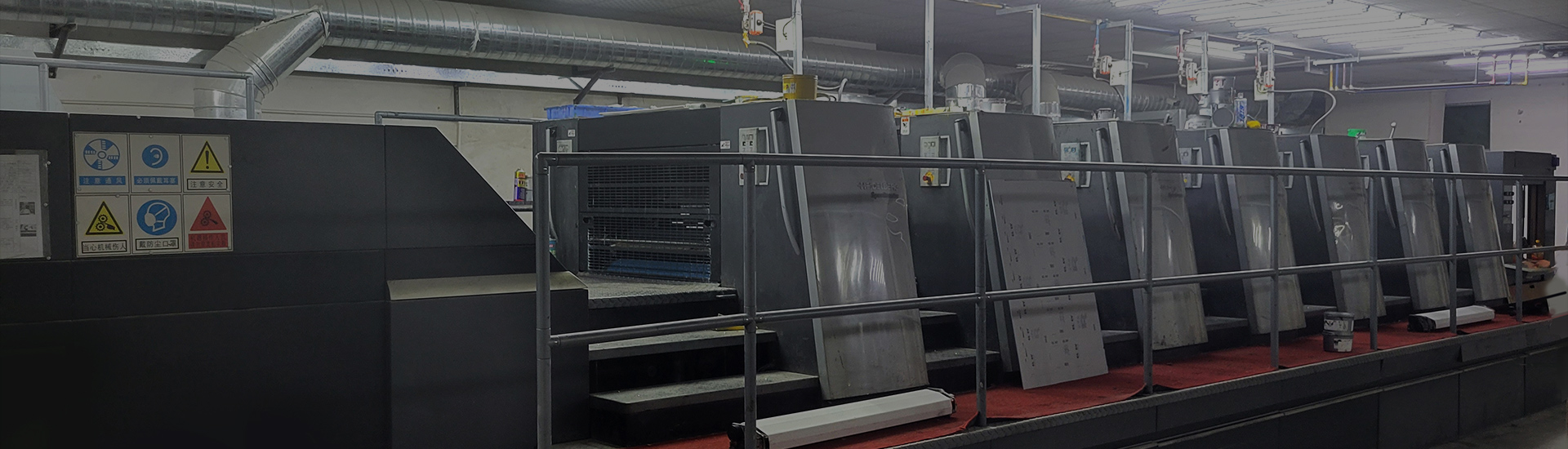
Experience in offset printing, folding, collating, binding, finishing, quality inspection, packing and export order coordination.
The standard MOQ is normally 500 copies; a trial order of 300 copies is acceptable after the specifications are confirmed.
Typical physical sampling time after the print-ready files, paper, binding and finishing are confirmed.
Softcover Formats for Different Publishing Projects
Choose the format according to page count, paper thickness, required spine, opening behavior, distribution method and expected service life.
Perfect-Bound Paperbacks
A glued square spine gives novels, manuals, catalogs, workbooks and illustrated books a clean retail-ready paperback structure.
Sewn Softcover Books
Folded sections are sewn before the cover is attached, adding page security for thicker publications and books intended for repeated handling.
Saddle-Stitched Books
Staples through the folded spine create a lightweight, economical structure for thinner books, notebooks, programs and educational materials.
French Flap Paperbacks
Extended front and back cover flaps provide additional space for summaries, author details, product information or brand messaging.
Softcover Book Printing Specifications
The final specification is established from the approved files, selected paper, binding method, cover construction, finishing and distribution requirements.
Finished Size
A4, A5, B5, 6 × 9 inch, US Letter, square, portrait, landscape and other confirmed trim sizes can be produced.
Page Count
Page count is coordinated with paper thickness, signature planning, spine width, binding limits and the finished book weight.
Interior Printing
Full-color, black-and-white, spot-color or mixed interior printing can follow the approved print-ready PDF.
Cover Structure
Self-covers, heavier separate covers, French flaps and selected flexible PU or cloth covers can be matched to the required binding.
Paper Options for Softcover Book Printing
Interior and cover papers should be selected together because paper surface, weight and caliper affect image reproduction, readability, opening and spine thickness.
Gloss Art Paper
A smooth reflective surface supports vivid color, sharp photography and strong contrast for photo-led and promotional publications.
Matte Art Paper
A lower-glare coated surface balances detailed image reproduction with comfortable reading for art, editorial and educational content.
Offset and Uncoated Paper
A natural writable surface suits novels, journals, manuals, workbooks and text-led books in a range of confirmed weights.
Softcover Stock
Separate softcovers commonly use 200–350 gsm coated stock with matte, gloss or soft-touch lamination according to the required finish.
Softcover Binding and Cover Options
Binding should match the page count, paper, opening requirement, handling frequency and the spine presentation needed for the finished publication.
Perfect Binding
Adhesive binding creates a clean square spine that can carry a title or logo when the finished spine is wide enough.
Sewn Perfect Binding
Sewn signatures are combined with adhesive binding to improve page security and opening behavior for thicker or frequently used softcovers.
Saddle Stitching
Folded sheets are secured with wire staples through the spine, making this method suitable for lower page counts arranged in multiples of four.
French Flap Covers
The cover extends inward at the front and back to create integrated flaps without changing the flexible paperback structure.
Construction Details That Affect a Softcover Book
Reliable softcover production depends on structural details that are confirmed after the paper, page count and binding method have been selected.
Spine Preparation and Adhesive
Spine preparation and the selected adhesive are matched to the paper surface, book-block thickness and expected handling conditions.
Paper Grain and Opening
Correct paper grain supports smoother folding, cleaner binding and more natural page turning in the finished book.
Cover Scoring and Hinges
Accurate cover scores guide the spine and hinge folds, helping the cover open without cracking or pulling away from the book block.
Three-Side Trimming
Final trimming establishes clean head, foot and fore-edge dimensions after binding and keeps the cover aligned with the interior pages.
Softcover Finishing and Presentation Features
Finishing can protect the flexible cover, emphasize selected artwork and distinguish retail, promotional or special editions. Each process is checked on the selected stock.
Cover Lamination
Matte, gloss or soft-touch lamination protects printed covers and changes their surface appearance and handling feel.
Foil Stamping and Spot UV
Metallic foil or selective gloss can highlight approved titles, logos and details while maintaining the flexibility of the cover.
Embossing and Debossing
Raised or recessed impressions add a tactile effect to suitable cover stocks and require artwork prepared for the selected die process.
Sprayed or Printed Edges
Solid-color, gradient or supplied pattern artwork can be applied to the trimmed page edges when the book-block thickness is suitable.
OEM and ODM Softcover Book Production
Softcover orders can follow an existing specification or a confirmed combination of size, paper, binding, cover, finishing and packaging. Customer-supplied artwork and the approved sample remain the production reference.
Private-Label Editions
Customer logos, imprints, ISBN details, barcodes, cover artwork and interior content are reproduced from approved files.
Multiple Version Management
Language editions, regional covers, color variations and coordinated series can share specifications while files and quantities remain separately identified.
Physical Sample Approval
The sample confirms paper, color, page order, trimming, spine alignment, binding strength, finishing and packed presentation before bulk production.
Bulk Softcover Book Printing for Publishing and Distribution
Bulk paperback manufacturing supports retail publishing, educational programs, branded content, training materials, promotional publications and recurring print runs.
Production Time for Bulk Softcover Books
The schedule depends on size, page count, paper, binding, cover finishing, quantity, version count and packaging requirements.
File and Specification Review
Interior files, cover artwork, spine width, bleed, image quality, page order and finishing layers are checked before proofing.
Physical Sample
A physical softcover sample normally takes approximately 3–7 working days after complete files and materials are confirmed.
Bulk Production
Bulk production normally takes approximately 10–15 working days after sample approval, depending on quantity and specifications.
Packing and Delivery
Individual protection, carton quantities, version labels and the delivery destination are confirmed before shipment.
Softcover Book Printing Order Process
Each order follows an approval sequence so the printed content, binding structure and finishing are confirmed before mass production.
Confirm Specifications
Set trim size, page count, paper, binding, cover structure, finishing, quantity and packaging.
Review Artwork
Check the interior PDF, cover spread, calculated spine and separate finishing files against the confirmed structure.
Approve the Physical Sample
Review print color, paper, trimming, page order, spine alignment, opening and finishing.
Bulk Production
Print, fold, collate, bind, trim, finish and inspect the books against the approved sample.
Pack and Ship
Protect the finished books, label separate versions and arrange shipment to the confirmed destination.
File Preparation for Softcover Book Printing
Supply the final interior and cover artwork after the trim size, paper, page count and binding are fixed. The final cover spread is prepared using the calculated spine width.
Supply the interior and cover as final PDFs with fonts embedded or converted to outlines.
Extend full-bleed artwork beyond the trim edge and keep essential text inside the safe area and clear of cover folds.
Prepare photographs and graphics at suitable resolution and use the agreed print color settings.
Check page sequence, spreads, chapter openings and all intentional blank pages before submission.
Use the confirmed spine width and keep critical artwork clear of the gutter, glue area, scores and stapled fold.
Mark foil, spot UV, embossing, debossing, die cuts and edge artwork on clearly named production layers.
FAQ About Softcover Book Printing
What is the MOQ for softcover book printing?
The standard MOQ is normally 500 copies, and a trial order of 300 copies is acceptable after the size, paper, binding and finishing are reviewed.
When should perfect binding be used instead of saddle stitching?
Perfect binding suits books that need a square printable spine or a higher page count. Saddle stitching is generally used for thinner publications with page counts arranged in multiples of four.
When is the final paperback spine width calculated?
Spine width is calculated after the final page count and actual interior paper are confirmed because paper caliper determines the finished book-block thickness.
Does sewn perfect binding make a book lie completely flat?
Sewn sections usually improve page security and opening, but a standard sewn softcover is not automatically true lay-flat. Confirm any flat-opening requirement before quotation.
Can one interior be produced with several cover versions?
Yes. Supply each cover file and quantity separately, and clearly identify the shared interior PDF and any version-specific finishing or packaging.
What should be retained for a future reprint?
Retain the approved PDFs, final cover spread, finishing layers, production specification, sample reference and corrected files used for mass production.
Start Your Softcover Book Printing Project
Send the finished size, page count, interior and cover paper, binding method, printing and finishing requirements, quantity per version, packaging and delivery destination. Include the interior PDF and separate cover or finishing files when available for an accurate quotation.


