Hardcover Book Printing for Publishers, Brands and Premium Editions
Caihong Paper Products provides hardcover book printing and OEM/ODM manufacturing for publishers, brands, independent authors, educational companies, museums and distributors. Casebound books are produced from customer-supplied artwork with printed paper, cloth, linen or PU covers, plus optional dust jackets, slipcases and premium finishing for bulk orders.
Hardcover Book Manufacturer Since 2002
A hardcover book combines a rigid case, endpapers and a bound book block. Paper, board, cover material, spine construction, finishing and packing are reviewed together so each edition is suitable for retail, publishing, presentation or long-term use.
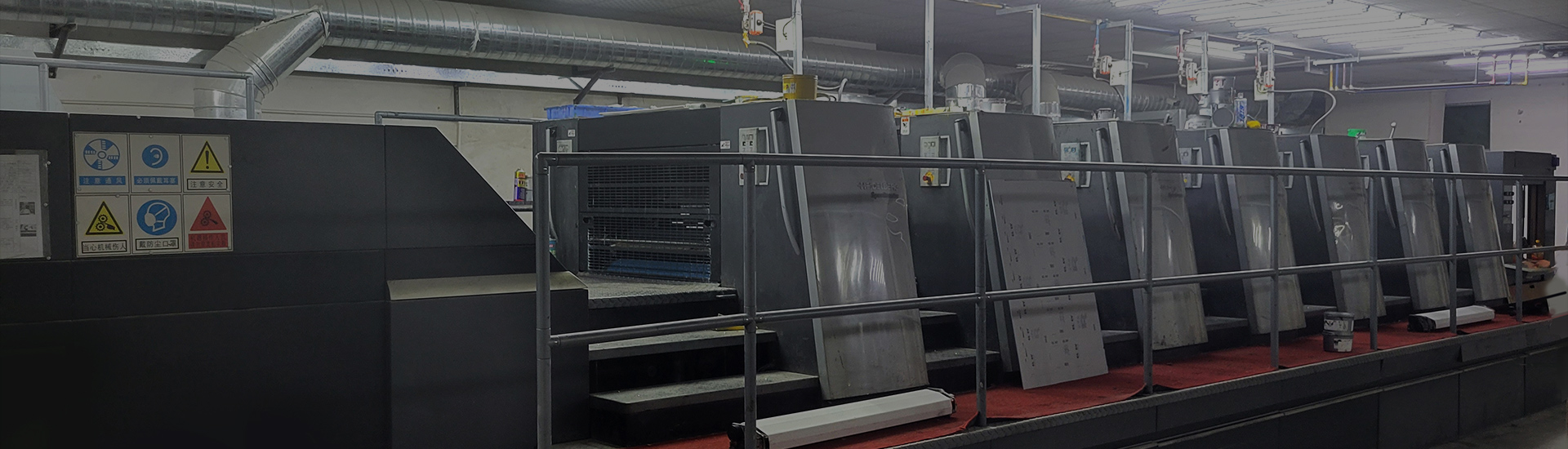
Experience in offset printing, case making, binding, finishing, quality checks, packing and export order coordination.
The standard MOQ is normally 500 copies; a trial order of 300 copies is acceptable after the book structure is confirmed.
Typical physical sampling time after the print-ready files, materials and hardcover specifications are confirmed.
Hardcover Formats for Different Publishing Projects
Choose the hardcover format according to the content, handling frequency, retail position, cover artwork and required shelf presentation.
Printed Casebound Books
A full-color printed paper wrap covers the rigid case, supporting photography, illustration and complete front, spine and back-cover artwork.
Cloth and Linen Hardcovers
Woven cloth or linen creates a tactile cover for art books, literary editions, portfolios, commemorative books and presentation volumes.
PU Leather Hardcovers
Smooth or textured PU provides a durable surface for journals, planners, reference books, corporate editions and gift publications.
Dust Jacket and Slipcase Editions
A printed dust jacket adds flaps and promotional space, while a fitted slipcase protects and presents single books or coordinated sets.
Hardcover Book Printing Specifications
The final specification is built around the approved page file, selected paper, binding method, cover material, finishing and intended use.
Finished Size
A4, A5, 6 × 9 inch, square, portrait, landscape and other confirmed trim sizes can be produced.
Page Count
Page count is coordinated with paper thickness, signature planning, spine width, book weight and the selected binding structure.
Interior Printing
Full-color, black-and-white, spot-color or mixed interior printing can follow the approved print-ready PDF.
Case Construction
Greyboard thickness, cover wrap, spine shape, joint width, endpapers and accessories are confirmed as one casebound structure.
Paper and Cover Materials for Hardcover Books
Interior paper affects image reproduction, readability, page thickness, spine width and finished weight. Cover materials should also be tested with the selected finishing process.
Gloss Art Paper
A smooth reflective surface supports vivid color, strong contrast and detailed photography for image-led books.
Matte Art Paper
A lower-glare coated surface balances fine image reproduction with comfortable reading for art, photo and editorial content.
Offset and Uncoated Paper
A natural, writable surface suits novels, journals, educational books and text-led publications in a range of confirmed weights.
Printed Paper, Cloth and PU Covers
Printed coated paper supports full-color artwork, while cloth, linen and textured PU provide tactile alternatives for premium editions.
Hardcover Binding and Structure Options
Binding is selected according to page count, paper thickness, opening requirements, service life and the presentation expected from the finished edition.
Thread-Sewn Casebound Books
Folded sections are sewn before casing-in, improving page security and opening behavior for thicker or frequently handled books.
Adhesive-Bound Casebound Books
The prepared book block is adhesively bound and attached to the rigid case for suitable page counts, papers and project requirements.
Round-Spine Hardcovers
A rounded spine creates a traditional profile and can be paired with coordinated headbands, ribbons, foil and other approved details.
Square-Spine Hardcovers
A straight spine provides a clean contemporary shape for novels, corporate books, journals, art books and branded editions.
Construction Details That Shape a Hardcover Book
The visible finish and opening performance depend on details that are established after the interior paper, page count and cover structure are confirmed.
Greyboard and Cover Wrap
Front, back and spine boards form the rigid case, while the selected paper, cloth, linen or PU material wraps the outside surface.
Endpapers and Casing-In
Endpapers connect the book block to the case and can use white, colored, printed or specialty stock according to the approved specification.
Joints, Hinges and Opening
Joint width, hinge movement, grain direction, glue and signature planning influence how the finished book opens and closes.
Headbands and Ribbon Markers
Decorative headbands and one or more ribbon markers can be color-matched to the cover, endpapers or edition artwork.
Hardcover Finishing and Presentation Features
Finishing can protect the cover, emphasize selected artwork and distinguish a standard edition from a premium or collector version. Each process is tested on the actual cover material.
Lamination and Varnish
Matte, gloss or soft-touch lamination and selected varnishes can protect printed covers and change their surface appearance.
Foil Stamping and Spot UV
Metallic foil or selective gloss can highlight approved titles, logos, frames and details on suitable paper, cloth or PU surfaces.
Embossing and Debossing
Raised or recessed impressions add depth to selected cover elements and require artwork suited to the material and die process.
Gilded or Printed Page Edges
Metallic, solid-color or printed edge treatments can extend the edition design across the trimmed page block.
OEM and ODM Hardcover Book Production
Hardcover orders can follow an existing specification or a confirmed combination of size, paper, case structure, binding, finishing and packaging. Production uses customer-supplied artwork and the approved sample as the manufacturing reference.
Private-Label Publishing
Customer logos, imprints, ISBN details, barcodes, cover artwork and interior content are reproduced from the approved production files.
Edition and Version Management
Language editions, regional covers, numbered versions and coordinated sets can share materials while quantities and files remain separately identified.
Physical Sample Approval
The sample confirms print color, paper, case alignment, spine position, hinge movement, endpapers, binding and finishing before bulk production.
Bulk Hardcover Book Printing for Publishing and Brand Programs
Bulk hardcover manufacturing supports retail publishing, branded editions, educational programs, museum collections, corporate presentations, gift sets and repeat print runs.
Production Time for Bulk Hardcover Books
The schedule depends on size, page count, paper, case material, binding, finishing, quantity, version count and packaging requirements.
File and Specification Review
Interior files, case artwork, spine width, bleed, image quality and separate finishing layers are checked before proofing.
Physical Sample
A physical hardcover sample normally takes approximately 3–7 working days after complete files and materials are confirmed.
Bulk Production
Bulk production normally takes approximately 10–15 working days after sample approval, depending on quantity and specifications.
Packing and Delivery
Individual protection, set packing, carton quantities, version labels and the delivery destination are confirmed before shipment.
Hardcover Book Printing Order Process
Each order follows an approval sequence so the printed content, case construction and finishing are confirmed before mass production.
Confirm Specifications
Set trim size, page count, paper, binding, cover material, finishing, quantity and packaging.
Review Artwork
Check the interior PDF, final case template and separate finishing files against the confirmed structure.
Approve the Physical Sample
Review print color, paper, board, alignment, opening, binding, accessories and finishing.
Bulk Production
Print, bind, case-in, finish and inspect the books against the approved sample.
Pack and Ship
Protect the finished books, label versions and arrange shipment to the confirmed destination.
File Preparation for Hardcover Book Printing
Supply the final interior and cover artwork after the trim size, paper and page count are fixed. The hardcover case template is finalized from the calculated spine and approved construction.
Supply the interior and cover as final PDFs with fonts embedded or converted to outlines.
Extend full-bleed artwork beyond the trim edge and keep essential text clear of trim, hinge and turn-in areas.
Prepare photographs and graphics at suitable resolution and use the agreed print color settings.
Check page sequence, spreads, chapter openings, endpapers and all intentional blank pages before submission.
Use the confirmed case template and keep spine text, logos and finishing aligned with the calculated spine and joints.
Mark foil, spot UV, embossing, debossing, die cuts and edge artwork on clearly named production layers.
FAQ About Hardcover Book Printing
What is the MOQ for hardcover book printing?
The standard MOQ is normally 500 copies, and a trial order of 300 copies is acceptable after the size, materials, binding and finishing are reviewed.
Will a thread-sewn hardcover lie completely flat?
Thread sewing generally improves page security and opening, but a standard casebound book is not automatically true lay-flat. State any flat-opening requirement before quotation.
When is the final spine width calculated?
Spine width is calculated after the final page count and actual interior paper are confirmed because paper caliper determines the finished book-block thickness.
Can a dust jacket and slipcase be used together?
Yes. The jacket is fitted around the finished casebound book, and the slipcase is then sized to the completed jacketed book or multi-volume set.
Can one interior be produced with several cover versions?
Yes. Supply each cover file and quantity separately, and clearly identify the shared interior PDF and any edition-specific finishing or packaging.
What should be retained for a future reprint?
Retain the approved PDFs, final case template, finishing layers, production specification, sample reference and corrected files used for mass production.
Start Your Hardcover Book Printing Project
Send the finished size, page count, interior paper, cover material, board and binding preferences, finishing, quantity per version, packaging and delivery destination. Include the interior PDF and separate cover or finishing files when available for an accurate quotation.


