PU Leather Notebook Printing


With leather bound book printing, the cover becomes an important part of how the finished book looks and feels. Different textures and cover constructions can be used for projects such as Bible printing and hardcover book printing, with the paper, binding and cover setup matched to your supplied artwork and book specifications.
The right finish depends on the cover surface and the artwork, especially when fine lettering, small logos or deeper impressions are involved.
Foil Stamping Metallic foil adds a reflective finish to titles, logos and selected cover details. |
Embossing Selected artwork is raised above the cover surface to create a more noticeable tactile effect. |
Debossing Artwork is pressed into the cover to create a clean recessed impression. |
Gilded Edges Metallic finishing is applied to the trimmed page edges and is most visible when the book is closed. |
Painted Edges The page edges can be finished in a selected color to match or contrast with the cover. |
Elastic Band An elastic band keeps the book closed and can be matched to the cover color or overall artwork. |
Ribbon Bookmark One or more ribbon bookmarks can be added, with colors selected to coordinate with the book. |
Paper changes more than the printed appearance. Its weight and thickness also affect the feel of the pages, the finished book thickness and the final spine width.
Gloss Art Paper: A smooth coated surface gives photographs and color graphics stronger contrast and a brighter finish.
Matte Art Paper: A lower-glare coated surface keeps images clear while giving the pages a softer look.
Uncoated Paper: A natural, writable surface works well for text-heavy pages and books where writing is required.
Gloss Art Paper |
Matte Art Paper |
Uncoated Paper |
Cover and interior materials should be considered together, as changing the board or paper thickness can noticeably change the finished book.
| Material Type | Common Option | Product Use |
|---|---|---|
| PU Leather | Smooth or textured surface | Leather-look cover |
| Greyboard | 2 mm / 2.5 mm / 3 mm | Rigid case structure |
| Uncoated Paper | 80 gsm / 100 gsm / 120 gsm | Text or writing pages |
| Matte Art Paper | 128 gsm / 157 gsm / 200 gsm | Color printed pages |
| Gloss Art Paper | 128 gsm / 157 gsm / 200 gsm | Image-focused pages |
Other cover materials and textures can be confirmed according to the required book style and production specification.
There is no fixed size for a leather bound book. Standard formats are convenient starting points, while custom dimensions can follow the supplied artwork and page layout.
| Format | Size in Millimeters | Size in Inches |
|---|---|---|
| A6 | 105 × 148 mm | 4.13 × 5.83 in |
| A5 | 148 × 210 mm | 5.83 × 8.27 in |
| B5 | 176 × 250 mm | 6.93 × 9.84 in |
| A4 | 210 × 297 mm | 8.27 × 11.69 in |
| Compact Book | 140 × 216 mm | 5.5 × 8.5 in |
| Standard Book | 152 × 229 mm | 6 × 9 in |
| US Letter | 216 × 279 mm | 8.5 × 11 in |
A print-ready PDF is preferred for the interior pages. The cover file is best finalized after the paper and page count are confirmed because these determine the actual spine width. Foil, embossing and debossing areas should be clearly marked, with vector artwork preferred for logos and fine details. We manufacture from customer-supplied artwork and can check files for production-related adjustments, but original cover design and page layout are not included.
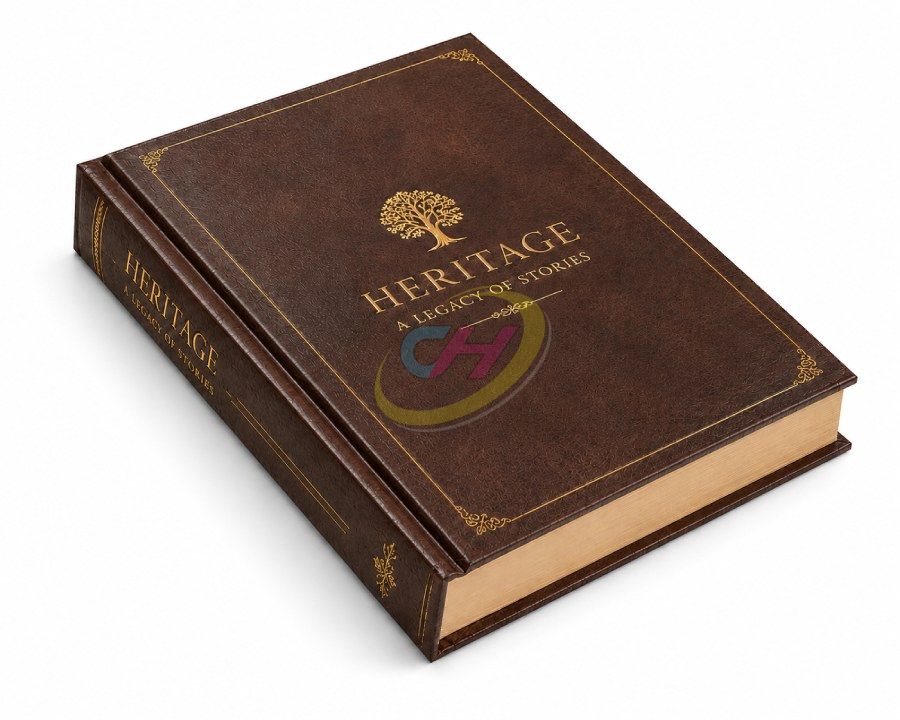
A rigid board case gives the book a firm shape, while the outer covering adds the texture and hand feel associated with a leather bound edition. Board thickness and cover material can be adjusted according to the finished size and weight of the book. For more conventional case-bound structures, see our hardcover book printing options.
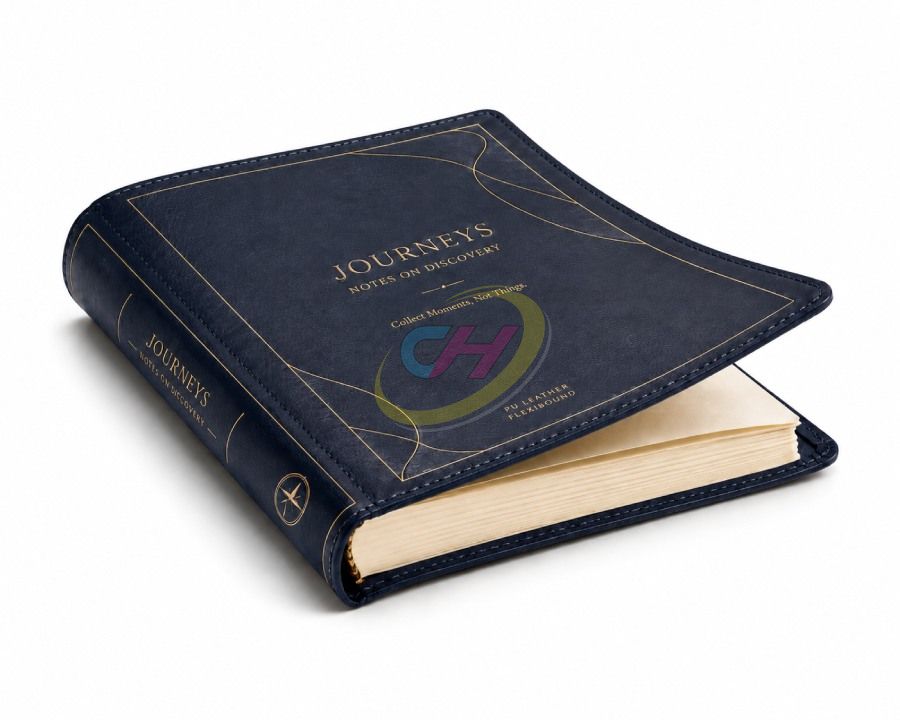
A flexible construction removes the rigid feel of a conventional case while keeping the textured cover surface. It is a useful choice when the book needs to feel softer and easier to handle, with the cover thickness and material selected around the finished book.
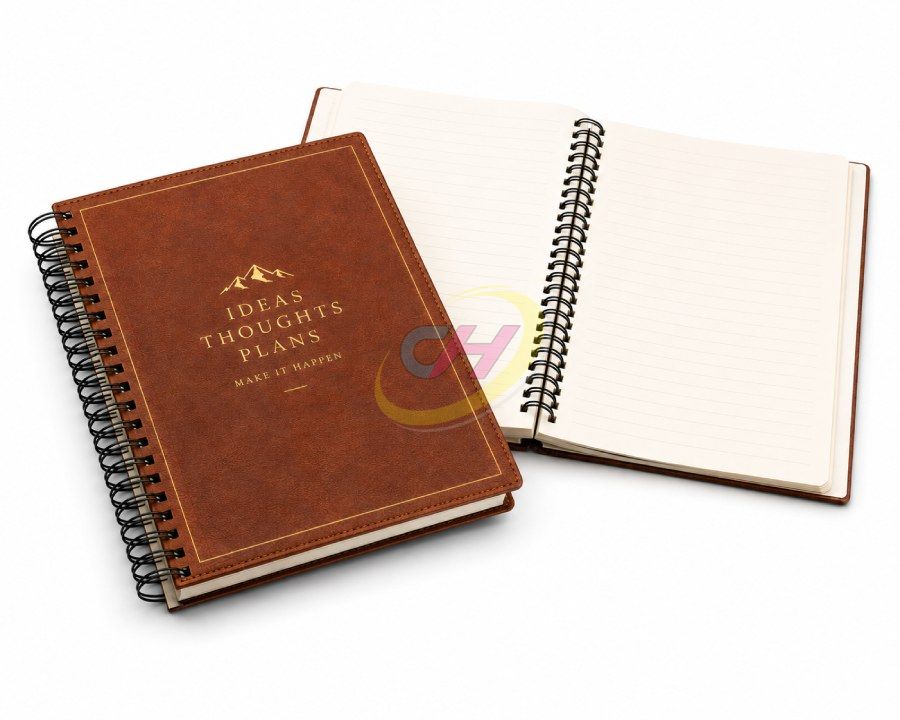
A leather-style cover can also be used with spiral or Wire-O binding when the pages need to open freely and stay easy to use. Cover material, wire color and interior paper can be coordinated with the artwork, while more binding structures are available through our spiral bound book printing service.
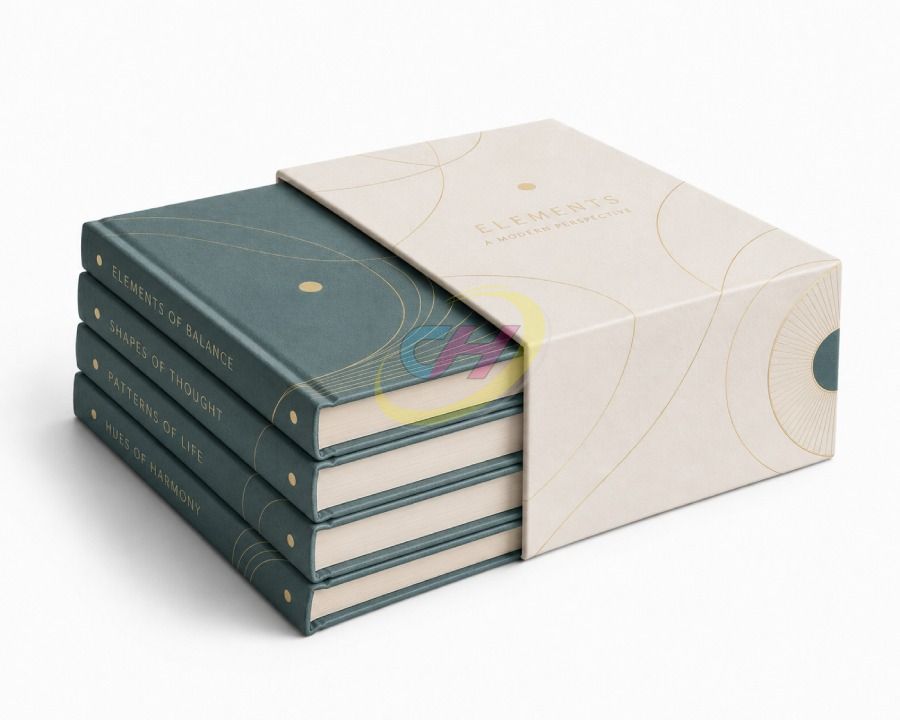
A fitted slipcase protects the cover during storage and gives the book a more complete presentation. Its dimensions are made around the finished book, while the outer material, printing and finishing can be coordinated with the main cover.
PU leather is one common option and is available in different colors and surface textures. Other suitable cover materials can be confirmed according to the required appearance, structure and order specification.
Yes. Available colors and textures depend on the selected material. If the exact surface or color matters, choosing from a physical material swatch is more reliable than judging it only from a screen.
Not always. Fine artwork behaves differently on smooth and strongly textured surfaces, so the material and finishing artwork should be checked together before production.
Spine width is based on the actual paper thickness and total page count. The final cover dimensions should therefore be confirmed after the interior specification is fixed.
A print-ready PDF is preferred for the interior pages. The cover should be supplied separately, with special finishing areas clearly identified where required.
This may be possible when the interior, finished size and binding structure remain the same. The quantity required for each cover color should be provided before quotation.
Yes. A physical sample allows you to check the cover material, book structure and finishing result before approving mass production.
Our standard MOQ is 500 copies. Trial quantities from around 300 copies may be considered depending on the book specification.
Custom samples normally take about 3–7 working days. Mass production generally takes around 7–15 working days after the files and sample are approved, depending on the quantity and production requirements.


