Wine Box Packaging for Wineries, Spirit Brands and Gift Programs
Caihong Paper Products provides wine box packaging and OEM/ODM manufacturing for wineries, distilleries, wine and spirit brands, gift distributors, retailers and hospitality programs. Rigid wine gift boxes, magnetic closure boxes, double-door presentations, hinged-lid structures and collapsible formats are produced from customer-supplied artwork for bulk packaging and private-label programs.
Wine Box Manufacturer Since 2002
A wine box must support the packed bottle while keeping the exterior panels aligned and the opening experience consistent across the complete order. Bottle dimensions, packed weight, board thickness, closure, insert, wrapping paper, finishing and shipping protection are reviewed together before production.
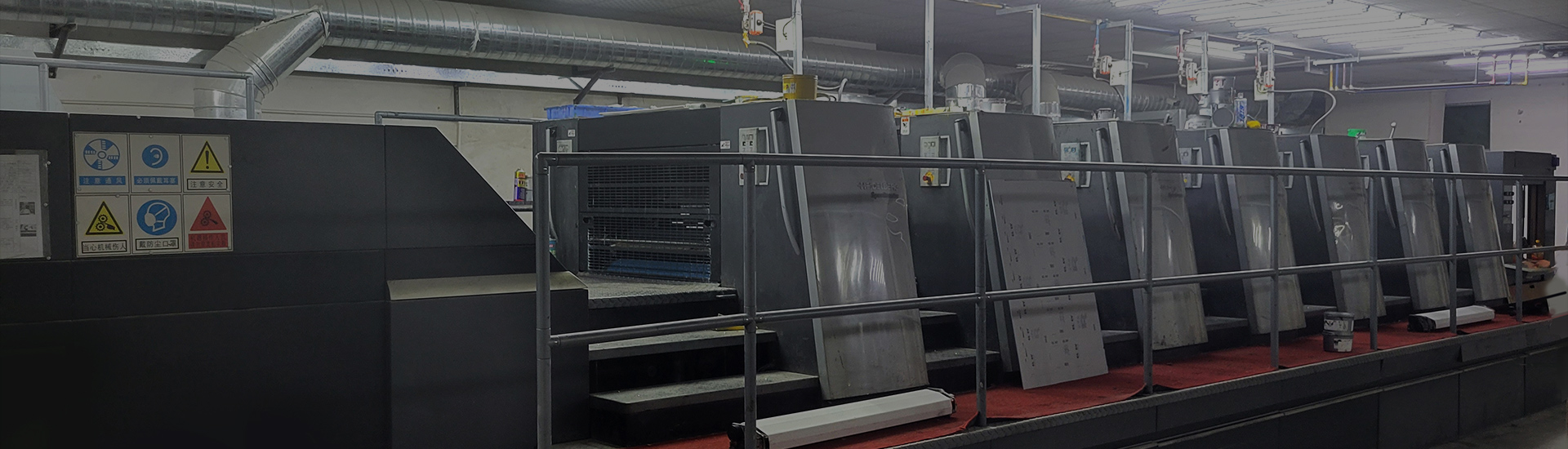
Experience in offset printing, greyboard cutting, paper mounting, rigid box assembly, insert fitting, foil stamping, lamination, quality control and export packing.
The standard MOQ is normally 500 pieces; a trial order of 300 pieces is acceptable after the box structure, size, materials and finishing are confirmed.
Typical physical sampling time after the bottle dimensions, box structure, material, artwork, insert, finishing and packaging are confirmed.
Wine Box Structures for Different Packaging Programs
Choose the structure according to the bottle count, opening experience, display requirement, storage space, packed weight and distribution channel.
Magnetic Closure Wine Boxes
A concealed magnetic closure keeps the lid aligned and creates a clean opening experience for single-bottle wines and coordinated gift sets.
Hinged-Lid Wine Boxes
A connected hinged lid keeps the top and base together while leaving interior space for a fitted bottle insert or accessory compartment.
Double-Door Wine Boxes
Two front panels open outward from the center to create a wider reveal for special-edition wines, spirits and presentation sets.
Collapsible Wine Boxes
A fold-flat rigid structure reduces storage and shipping volume before assembly while retaining a firm finished shape after setup.
Wine Box Packaging Specifications
The final specification is established from the approved internal size, bottle format, board, wrapping paper, printing, closure, insert, finishing, quantity and distribution requirements.
Finished Size and Bottle Format
Internal dimensions are confirmed from the bottle height, widest diameter, neck shape, closure and any accompanying accessories.
Rigid Board Structure
Greyboard thickness and reinforcement are selected according to the finished dimensions, opening structure and total packed weight.
Closure and Opening Method
Magnetic, hinged, double-door, ribbon, removable-lid and collapsible opening methods can be evaluated according to the presentation requirement.
Interior Support and Packing
Fitted paperboard, molded pulp, foam or fabric-covered supports can hold the bottle and accessories in their intended positions.
Materials and Wrapping Paper for Wine Boxes
Board thickness, wrapping paper and insert material affect rigidity, panel alignment, surface finish, packed weight and shipping performance. Materials should be confirmed with the actual bottle and packing arrangement.
Printed Art Paper
Printed coated paper provides a smooth surface for detailed artwork, CMYK color and protective matte or gloss lamination.
Textured Specialty Paper
Textured specialty paper adds visible grain or a fabric-like surface for packaging that relies on material character and restrained graphics.
Kraft Paper
Kraft paper creates a natural paper appearance and works with simple printing, foil details and understated wine packaging.
Metallic and Colored Paper
Metallic, colored or holographic papers create a material-based background effect without printing the entire reflective surface.
Wine Box Structures and Related Packaging Options
The structure should match the bottle count, packed weight, opening experience, retail positioning, storage method, production quantity and distribution requirements.
Rigid Wine Box Example
A rigid greyboard wine box can combine a fitted insert, printed wrap and approved finishing for single bottles or coordinated gift sets.
Magnetic Closure Wine Boxes
Magnetic closure structures provide a firm presentation with concealed magnets and a controlled opening for premium bottle packaging.
Folding Wine Packaging
Folding carton structures create a lighter wine packaging option that can be supplied flat for efficient storage and assembly.
Matching Printed Gift Bags
A matching printed paper bag can coordinate with the wine box artwork, handle color and retail or event presentation.
Production Details That Affect Wine Bottle Protection
Reliable wine box production depends on measurements, material and structural details that are confirmed before sampling, insert cutting, box assembly and bulk manufacture.
Bottle Dimensions and Tolerances
Bottle height, body diameter, shoulder profile, neck shape and closure must be measured so the internal space is neither too loose nor too tight.
Insert Fit and Material Choice
The insert must support the base, body or neck without scratching labels, damaging decoration or allowing excessive movement.
Board Thickness and Packed Weight
Board thickness and any reinforced panels should match the finished dimensions, bottle count, insert weight and expected handling.
Transport and Surface Protection
Surface protection, individual wrapping, carton dividers and carton strength help prevent scuffing, crushed corners and movement during distribution.
Printing and Finishing for Wine Boxes
Printing and finishing should protect the wrapping paper and support the supplied brand artwork without weakening folds, joints, magnets or assembly areas.
Matte, Gloss and Soft-Touch Lamination
Matte, gloss or soft-touch film protects printed wrapping paper while providing the approved low-glare, reflective or tactile surface.
Foil Stamping
Metallic foil can emphasize approved logos, product names, borders, vintage details and selected brand elements.
Embossing and Debossing
Raised or recessed elements add tactile contrast to approved graphics, typography or specialty-paper surfaces.
Spot UV and Varnish
Spot UV creates gloss contrast on selected artwork, while varnish adds a lighter protective coating with matte or gloss effects.
OEM and ODM Wine Box Production
Wine box orders can follow an established structure or a confirmed combination of size, board, wrapping paper, closure, insert, finishing and packaging. Customer-supplied artwork and the approved physical sample remain the production reference.
Private-Label Wine Packaging
Approved brand artwork, product names, legal text, barcodes, labels, foil areas and carton marks are reproduced from supplied files.
Single-Bottle and Gift-Set Programs
Single-bottle, two-bottle and multi-component gift sets can share coordinated artwork while using different inserts, dividers and internal dimensions.
Physical Sample and Fit Review
The physical sample confirms bottle fit, insert position, closure strength, panel alignment, magnet placement, surface finishing and packing before bulk production.
Bulk Wine Boxes for Brand and Retail Programs
Bulk wine box manufacturing supports wineries, distilleries, beverage brands, seasonal collections, retailer exclusives, hospitality programs, corporate gifting, distributors and recurring private-label releases.
Production Time for Bulk Wine Boxes
The schedule depends on the box size, structure, board, wrapping paper, insert, printing, finishing, quantity, assembly requirement, packaging and delivery deadline.
Specification and File Review
Internal dimensions, board, wrapping paper, closure, insert drawing, artwork and separate finishing layers are checked before sampling.
Physical Sample
A physical wine box sample normally takes approximately 3–7 working days after complete files, bottle information and specifications are confirmed.
Bulk Production
Bulk production normally takes approximately 10–15 working days after sample approval, depending on quantity, structure, insert and finishing.
Packing and Delivery
Individual protection, carton dividers, carton quantities, pallet requirements, shipping marks and destination details are confirmed before shipment.
Wine Box Packaging Order Process
Each order follows an approval sequence so the supplied artwork, bottle fit, insert, closure, materials, finishing and export packing are confirmed before mass production.
Confirm the Packaging Specification
Provide the internal size or bottle dimensions, bottle count, box structure, materials, insert, finishing, quantity and delivery destination.
Review the Production Files
Check the dieline, print-ready artwork, bleed, safe areas, foil or UV layers, insert drawing and closure positions.
Approve the Physical Sample
Review bottle fit, insert support, opening and closing, panel alignment, magnets, surface finish and packing method.
Bulk Production
Print and finish the wrapping paper, cut the board and inserts, assemble the boxes and inspect production against the approved sample.
Protect, Pack and Ship
Protect finished surfaces, separate versions, confirm carton quantities and arrange shipment to the destination.
File Preparation for Wine Box Production
Supply final files after the internal size, board, box structure, closure and insert are fixed. Keep artwork, dielines, finishing layers and version files clearly identified.
Use the confirmed structural dieline with cut lines, fold lines, glue areas, panel directions and required bleed clearly identified.
Supply the exterior artwork at final size with embedded fonts, suitable image resolution and the agreed CMYK or spot-color settings.
Mark foil, embossing, debossing, spot UV and other special processes on separate vector production layers.
Provide the bottle height, widest diameter, neck and closure dimensions, packed weight, bottle count and any accessory sizes.
Identify magnet positions, ribbon pull tabs, handle attachments, opening direction and any assembly sequence required for the finished box.
Provide version quantities, barcode files, label positions, carton marks, carton limits and pallet requirements for distribution.
FAQ About Wine Box Packaging
What is the MOQ for wine box packaging?
The standard MOQ is normally 500 pieces, and a trial order of 300 pieces is acceptable after the structure, materials, insert and finishing are reviewed.
Which wine box structure should I choose?
The suitable structure depends on the bottle count, opening experience, retail display, packed weight, storage method and shipping requirements.
Can you make boxes for two or more bottles?
Yes. Two-bottle and multi-bottle layouts can use separate cavities, dividers or fitted inserts to keep each bottle in position.
How is the bottle kept stable inside the box?
A fitted insert can support the base, body or neck. Dividers and reinforced sections can also reduce movement in multi-bottle sets.
Can I order a physical sample before bulk production?
Yes. A physical sample allows the bottle fit, insert, closure, panel alignment, finishing and packing method to be checked before mass production.
How long does wine box production take?
Physical sampling normally takes about 3–7 working days. Bulk production usually takes approximately 10–15 working days after artwork and sample approval.
Start Your Wine Box Packaging Project
Send the bottle dimensions, bottle count, required box structure, internal size, materials, insert preference, finishing, quantity, packaging requirement and delivery destination. Include the dieline and print-ready artwork when available for an accurate quotation.


