Custom photography book printing is used for professional portfolios, exhibition publications, museum books, brand collections and publisher editions produced in quantity. This category includes portrait, landscape and square formats, with casebound hardcovers, sewn softcovers, cloth-covered cases, dust jackets and fitted slipcases available according to the confirmed specification.
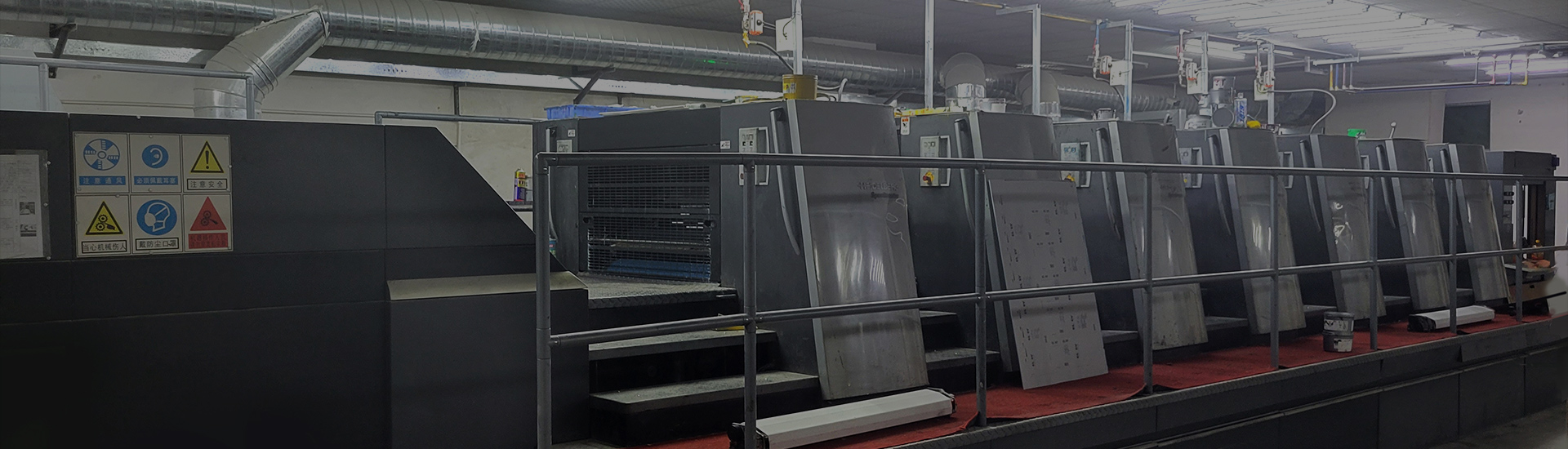
OEM photography book printing follows customer-supplied cover and interior files. We check image resolution, bleed, page order and finishing layers for production, but original photography, cover design and page-layout design must be supplied by the customer. Bulk production is completed in our Dongguan factory using Heidelberg printing equipment together with case-making and binding lines.
A screen emits light, while a printed page reflects it. Shadow areas that remain separate on a monitor can merge after printing, and neutral black-and-white photographs may develop an unwanted color cast. Skin tones, low-saturation images and smooth gradients are also sensitive to changes in paper and ink density.
Files should use the agreed CMYK settings with enough separation retained in dark areas. For color-critical projects, a physical proof printed on the selected paper gives a more relevant reference than a screen or a generic digital sample.
Gloss-coated art paper gives stronger reflection, contrast and color intensity. Matte-coated paper reduces glare and gives muted images, editorial layouts and pages with captions a quieter appearance. Common options include 128, 157 and 200 gsm coated stocks.
Heavier paper is not automatically better. It increases the book-block thickness, spine width, finished weight and resistance when the pages open. Page count, paper and binding therefore need to be confirmed together. Textured stock can work for endpapers or section dividers, but fine photographic detail should be tested before it is used for the main image pages.
Images should normally be supplied at approximately 300 DPI at final printed size, with about 3 mm of bleed for full-bleed pages. Faces, captions, horizon lines and other important details need to remain clear of the trim and binding areas.
A photograph crossing two pages can lose visible content in the center gutter, so the binding should be selected before the final layout is completed. A standard sewn hardcover improves strength but is not a true lay-flat book. If near-flat opening is essential, state this before quotation and file preparation.
Casebound hardcover construction suits larger formats, heavier stocks and published or retail editions requiring a firm cover. Thread-sewn sections help secure thicker book blocks. Covers may use a printed wrap or cloth with foil stamping, embossing, debossing or an applied image panel. A dust jacket or fitted slipcase adds another printed or protective layer.
Sewn perfect-bound softcovers give portfolios, documentary projects and exhibition publications a lighter structure with a printable spine. View the current photography book formats and printed examples.
When choosing a photography book printing manufacturer, check whether the physical sample uses the confirmed paper, binding and finishing rather than evaluating only the cover appearance. Once approved, that sample should become the reference for image density, neutral grays, skin tones, cropping, center-gutter position, cover alignment and spine placement.
For bulk photography book printing, production copies are checked against the approved sample for color, page sequence, binding and cover position. This is especially important for editions containing repeated dark images, monochrome series or photographs extending across two pages.
Send the finished size and orientation, page count, paper, binding, cover structure, finishing, quantity and delivery destination to us. Include the print-ready cover and interior PDFs if available.
The MOQ is normally 500 copies; a trial order from 300 copies may be considered. Samples normally take about 3–7 working days, and bulk production usually takes 10–15 working days after sample approval.


FSC

ISO9001

ISO

SAI GLOBAL

BSCI